The Role of Robotics in Modern Manufacturing Education


Introduction to Robotics in Education
The integration of robotics in modern manufacturing education is revolutionizing the way students prepare for careers in industry. As technology progresses, the demand for skilled professionals who can navigate and innovate using advanced machinery continues to grow. This shift is driving educational institutions to incorporate robotics into their curricula, providing students with hands-on experience and a competitive edge in the job market.
Enhancing Learning with Robotics
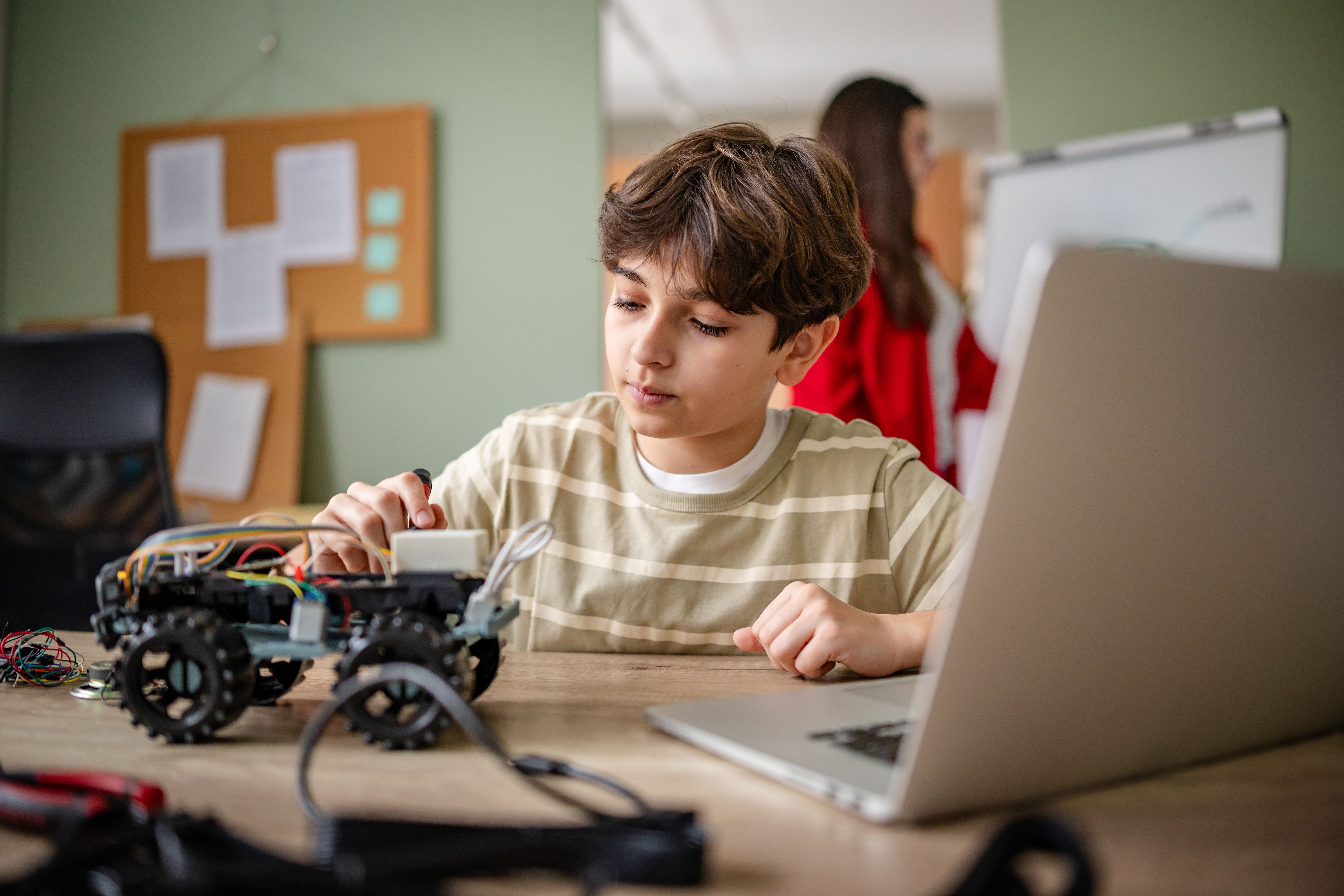
Robotics play a crucial role in enhancing learning by providing a practical, interactive approach to education. Instead of traditional lecture-based methods, students engage directly with robotic systems, which encourages deeper understanding and retention of complex concepts. This hands-on approach not only boosts technical skills but also fosters critical thinking and problem-solving abilities.
Moreover, robotics education promotes interdisciplinary learning, integrating knowledge from fields such as computer science, engineering, and mathematics. This comprehensive learning experience is essential for students aspiring to excel in the modern manufacturing sector.
Preparing Students for the Workforce
By incorporating robotics into the curriculum, educational institutions are bridging the gap between theoretical knowledge and practical application. Students gain familiarity with the latest technologies and industry practices, making them more adaptable to real-world scenarios.
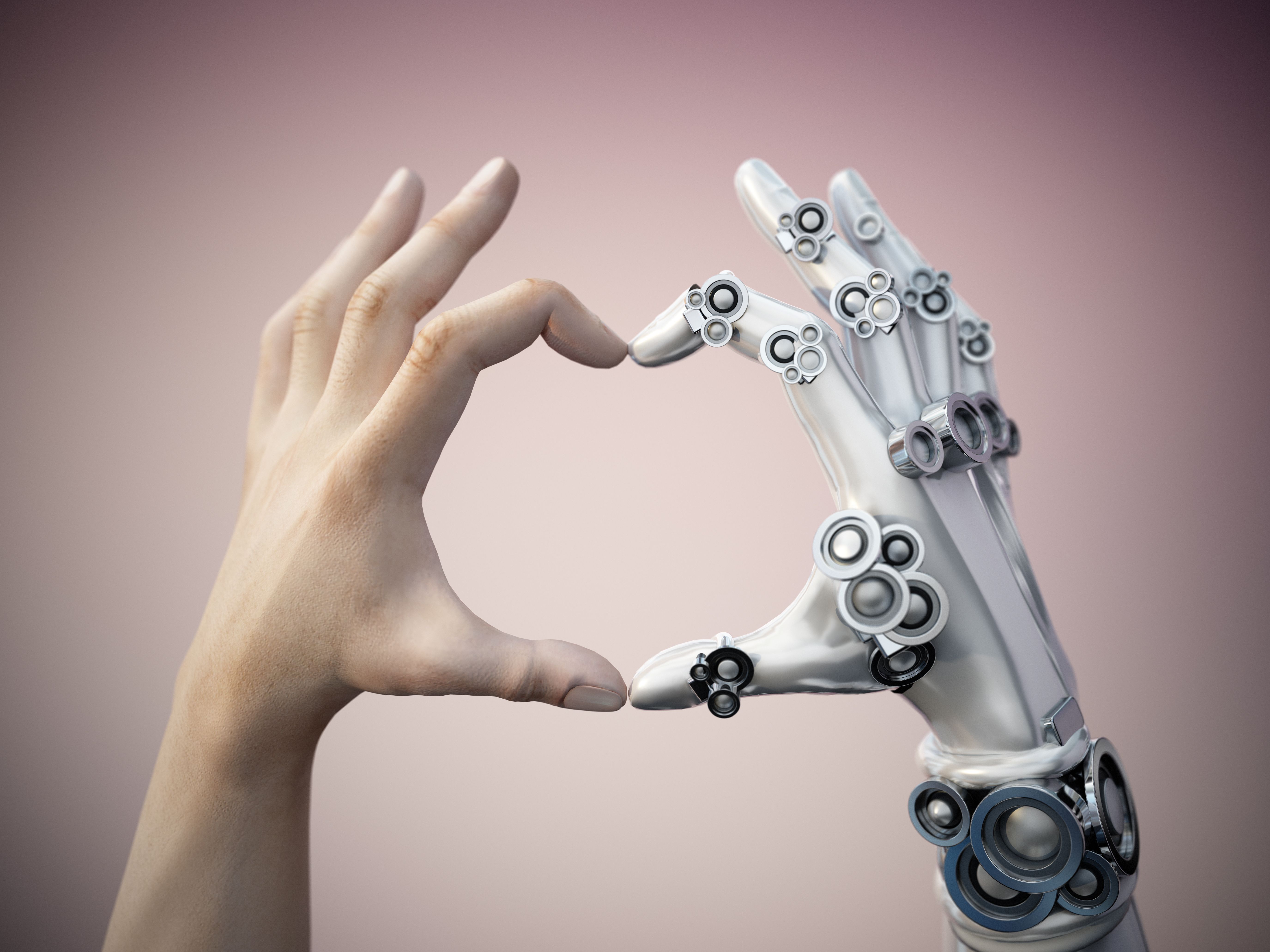
Robotics education also prepares students for a wide range of career opportunities. From automation and control systems to AI-driven manufacturing processes, the skills acquired through robotics training are applicable across various sectors. This versatility is a significant advantage in today’s dynamic job market.
Real-World Applications
The real-world applications of robotics in manufacturing are vast and varied. Students trained in robotics can work on projects involving automated assembly lines, precision machining, and even autonomous vehicles. These applications not only streamline manufacturing processes but also enhance efficiency and safety.
- Automated Assembly Lines: Robotics streamline production, increasing speed and reducing errors.
- Precision Machining: Robots enhance accuracy and consistency in manufacturing tasks.
- Autonomous Vehicles: Robotics play a key role in developing self-driving technology.
Challenges and Opportunities
While the integration of robotics in education offers numerous benefits, it also presents challenges. Institutions must invest in up-to-date equipment and training for educators to ensure effective teaching. However, these challenges also present opportunities for innovation and collaboration with industry leaders.
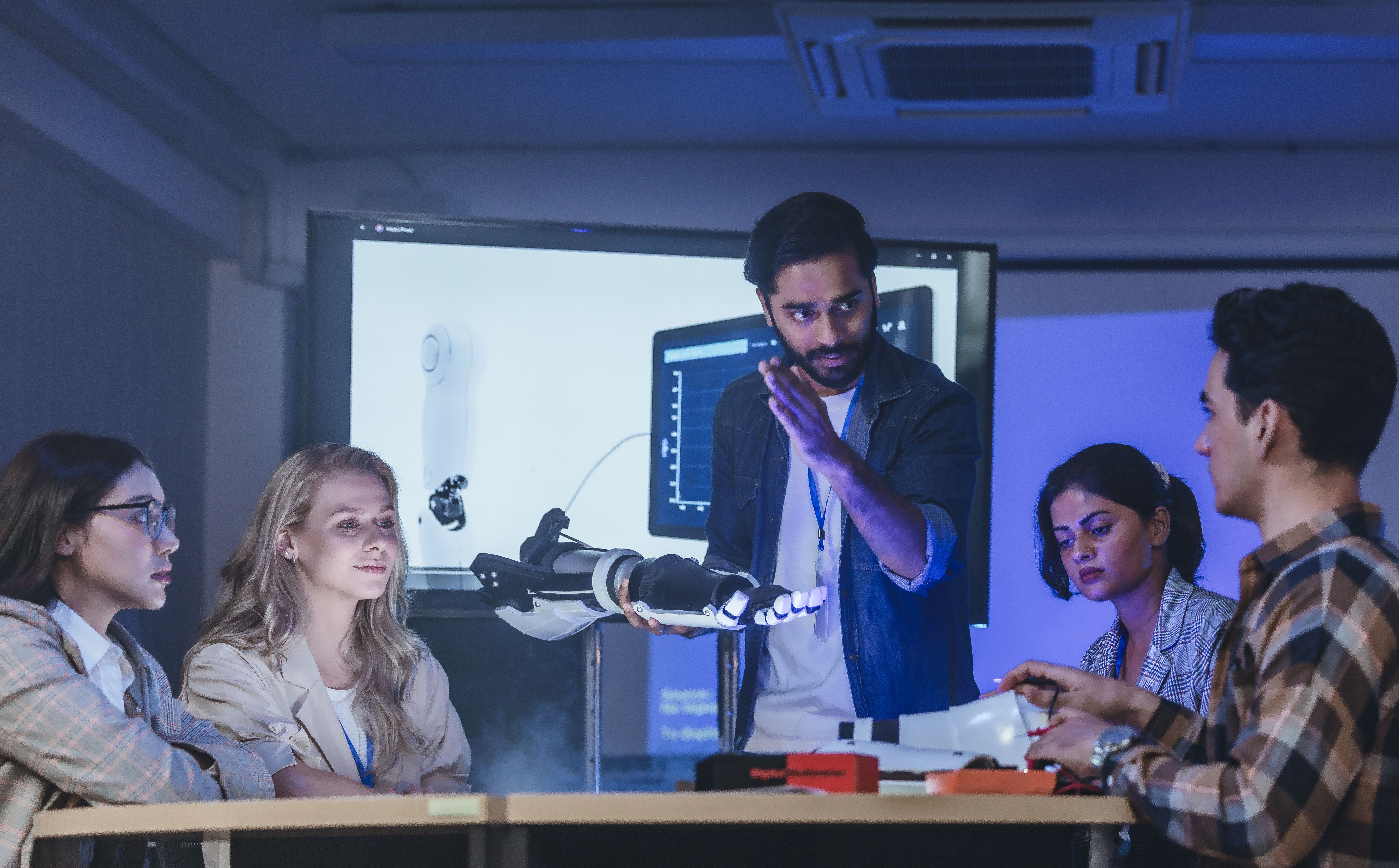
Partnerships between educational institutions and manufacturing companies can lead to the development of cutting-edge programs that keep pace with technological advancements. These collaborations not only enhance educational offerings but also provide students with valuable industry connections.
The Future of Robotics in Education
As technology continues to evolve, the role of robotics in education will only become more prominent. Institutions that embrace this trend will be at the forefront of producing a skilled workforce ready to tackle the challenges of modern manufacturing. By fostering an environment that encourages innovation and creativity, educators can empower the next generation of leaders in the manufacturing industry.
Ultimately, the integration of robotics in modern manufacturing education is a vital step towards building a sustainable, efficient, and technologically advanced future. As students gain the skills and knowledge necessary to excel in this field, they will drive the industry forward, shaping the future of manufacturing.