
The Role of Metal Fabrication in Modern STEM Education


Introduction to Metal Fabrication in STEM
Metal fabrication is increasingly becoming a cornerstone of modern STEM education. As the boundaries of science, technology, engineering, and mathematics continue to expand, the inclusion of hands-on skills like metal fabrication is crucial. This practice not only enhances technical abilities but also fosters creativity and problem-solving skills among students.
Incorporating metal fabrication into STEM curricula provides students with a tangible understanding of how theoretical concepts apply in the real world. By engaging in projects that require designing and creating metal structures, students can see firsthand the practical applications of their studies.

The Educational Benefits of Metal Fabrication
Metal fabrication offers numerous educational benefits that extend beyond traditional classroom learning. It encourages critical thinking and innovation by challenging students to design solutions and solve complex problems. Additionally, it helps in developing fine motor skills and a keen eye for detail.
Furthermore, metal fabrication projects often require teamwork and collaboration, teaching students how to work effectively in groups. This experience is invaluable in preparing them for future careers in STEM fields, where teamwork is often essential.

Technological Integration and Skills Development
With the advent of technology, metal fabrication in education has become more sophisticated. Schools are integrating advanced tools such as CNC machines and 3D printers, which allow students to experiment with cutting-edge technology. This not only makes learning more engaging but also equips students with skills that are highly sought after in the workforce.
These technological tools help students understand the intricacies of modern manufacturing processes. By working with CAD software and automated machinery, students gain insights into how industries operate, preparing them for future opportunities.
Real-World Applications and Career Opportunities
Metal fabrication skills are highly applicable in various industries, including automotive, aerospace, and construction. By learning these skills in an educational setting, students open themselves up to a myriad of career opportunities. Many industries value the hands-on experience and problem-solving skills that come with a background in metal fabrication.
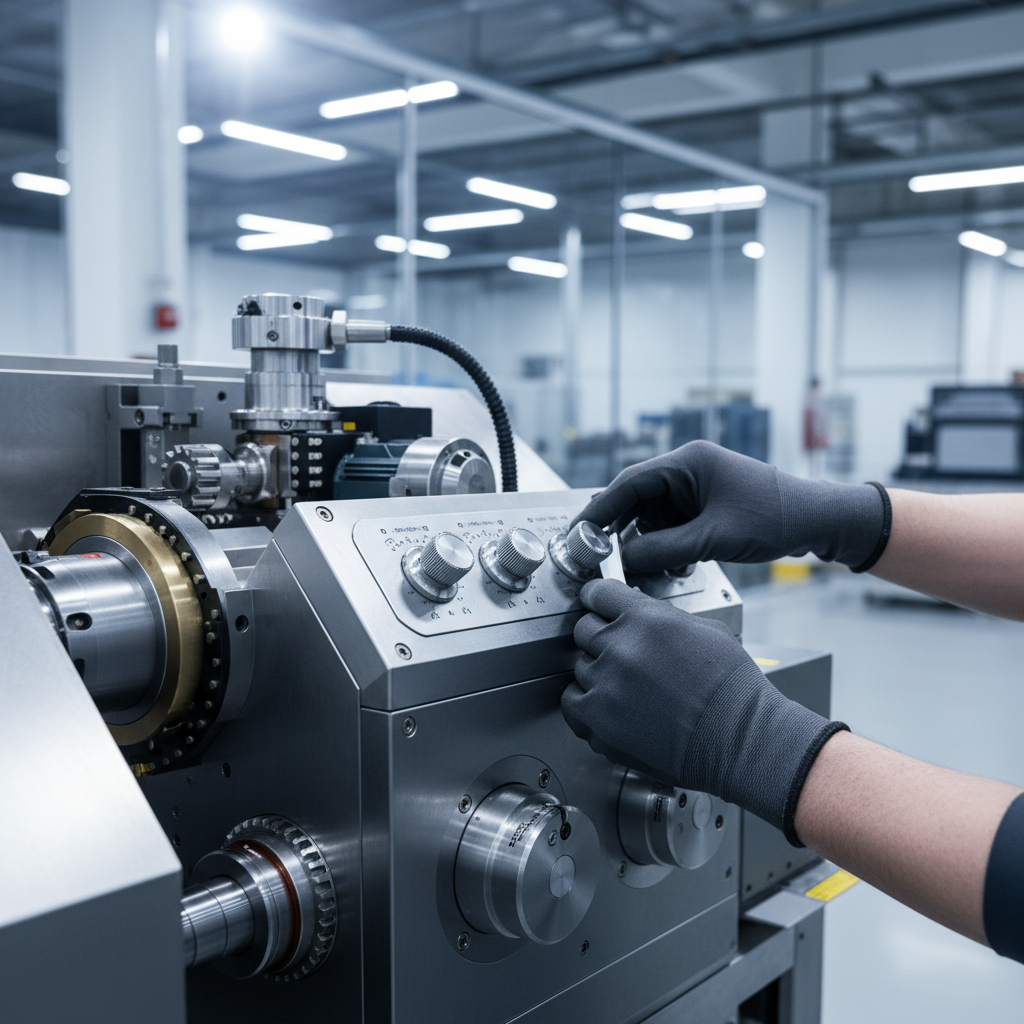
Moreover, as industries continue to evolve with new technologies, the demand for skilled fabricators is likely to grow. Students who have experience in metal fabrication are well-positioned to enter the workforce with a competitive edge.
Developing Creativity and Innovation
One of the most significant advantages of incorporating metal fabrication in STEM education is its ability to foster creativity and innovation. By allowing students to bring their ideas to life, metal fabrication encourages outside-the-box thinking and experimentation.
This creative aspect is crucial for innovation, as it allows students to test and refine their ideas in a practical setting. As a result, they become more adept at generating novel solutions to real-world challenges.

Conclusion: The Future of STEM Education
As the landscape of STEM education continues to evolve, metal fabrication will undoubtedly play a significant role. By equipping students with practical skills and fostering an innovative mindset, educators can better prepare them for the challenges of the future.
Incorporating metal fabrication into STEM education not only enhances learning but also bridges the gap between theoretical knowledge and practical application. As such, it is an invaluable component of a modern educational curriculum that aims to inspire and empower the next generation of innovators.