The Future of UV Laser Engraving: Trends and Innovations


Understanding UV Laser Engraving
In recent years, UV laser engraving has emerged as a groundbreaking technology, revolutionizing various industries with its precision and versatility. This engraving technique uses ultraviolet lasers to create detailed marks on a wide range of materials, from plastics to metals. As the technology continues to evolve, it is crucial to explore the trends and innovations shaping its future.
UV laser engraving offers several advantages over traditional methods. Its non-contact nature ensures minimal wear and tear on materials, while its high precision allows for intricate designs. Moreover, it is environmentally friendly, producing little to no waste during the engraving process.
Advancements in Precision and Speed
One of the most significant trends in UV laser engraving is the enhancement of precision and speed. Recent innovations have led to lasers with finer beam quality, enabling even more detailed engravings. These improvements are particularly beneficial in industries such as electronics, where microscopic precision is essential.
Additionally, the speed of UV laser engravers has increased dramatically. Modern machines can engrave at a much faster rate than previous models, enhancing productivity and reducing turnaround times. This advancement opens new opportunities for businesses aiming to scale their operations efficiently.
Integration with Automation Technologies
The integration of UV laser engraving with automation technologies is another trend that is shaping the future of the industry. Automated systems can now handle the entire engraving process, from material loading to final inspection, reducing the need for human intervention.
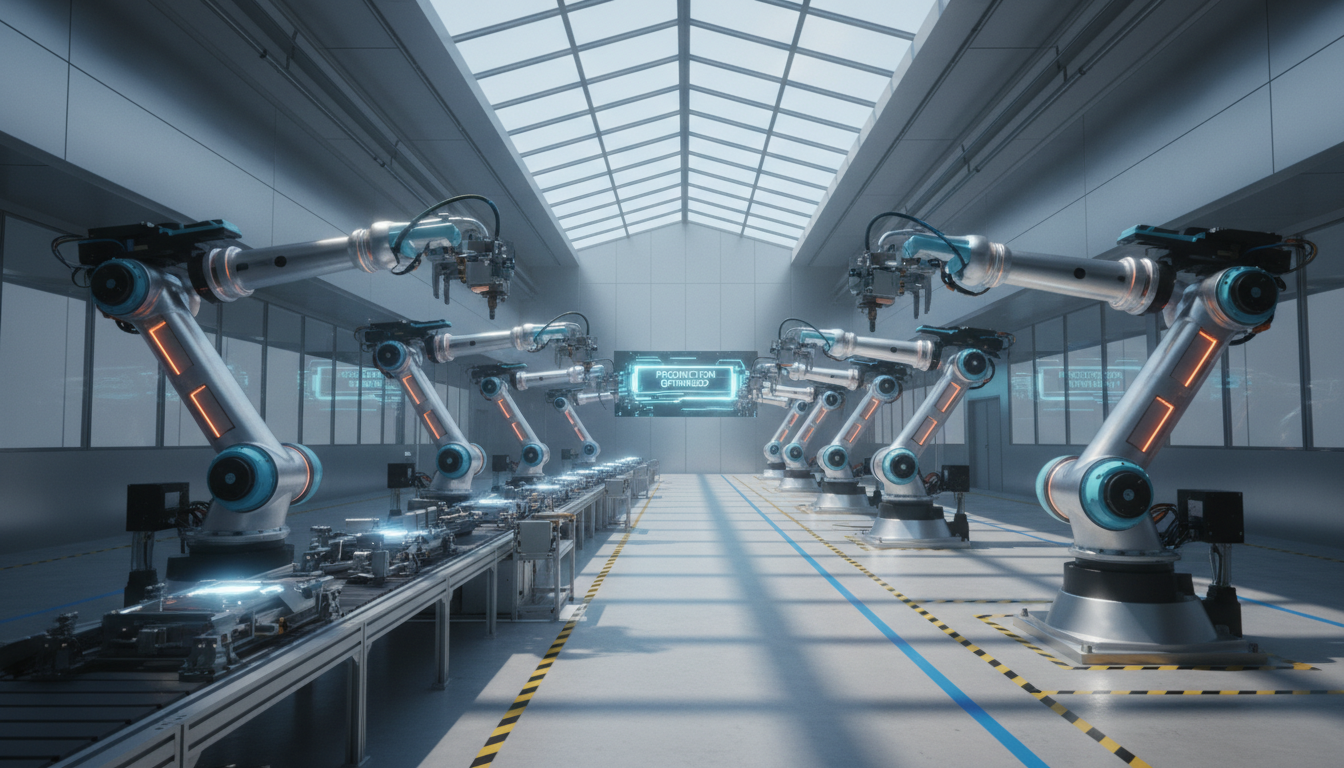
By combining UV laser engraving with robotics and artificial intelligence, manufacturers can achieve a higher level of efficiency and accuracy. This integration also allows for real-time monitoring and adjustments, ensuring consistent quality and reducing the likelihood of errors.
Expanding Material Compatibility
Innovations in UV laser technology have expanded the range of materials that can be effectively engraved. Initially limited to certain plastics and metals, UV laser engravers can now work with more complex materials like ceramics and glass. This expansion is opening doors to new applications in industries such as jewelry and glassware.
Manufacturers are continually researching ways to enhance the versatility of UV lasers, aiming to engrave even more exotic materials. This progress is crucial for industries seeking custom solutions for specialized products.
Sustainability and Environmental Considerations
As concerns about environmental impact grow, sustainability has become a key focus in the development of UV laser engraving technologies. Modern engravers are designed to be energy-efficient, reducing the carbon footprint of manufacturing processes.
Moreover, the trend toward using recyclable and eco-friendly materials in conjunction with UV laser engraving is gaining traction. This approach not only supports environmental goals but also appeals to consumers who prioritize sustainability in their purchasing decisions.
Conclusion
The future of UV laser engraving is bright and full of potential. With advancements in precision, speed, automation, material compatibility, and sustainability, this technology is poised to reshape numerous industries. As businesses adapt to these innovations, they will unlock new possibilities for creativity and efficiency in their operations.