The Future of Robotics in Career and Technical Education


The Rise of Robotics in Education
The integration of robotics in Career and Technical Education (CTE) is revolutionizing how students are prepared for the future workforce. As technology continues to advance, educational systems are incorporating robotics to equip students with the skills necessary to thrive in a tech-driven world. Robotics not only enhances learning experiences but also opens up a myriad of career opportunities.
Hands-On Learning and Skill Development
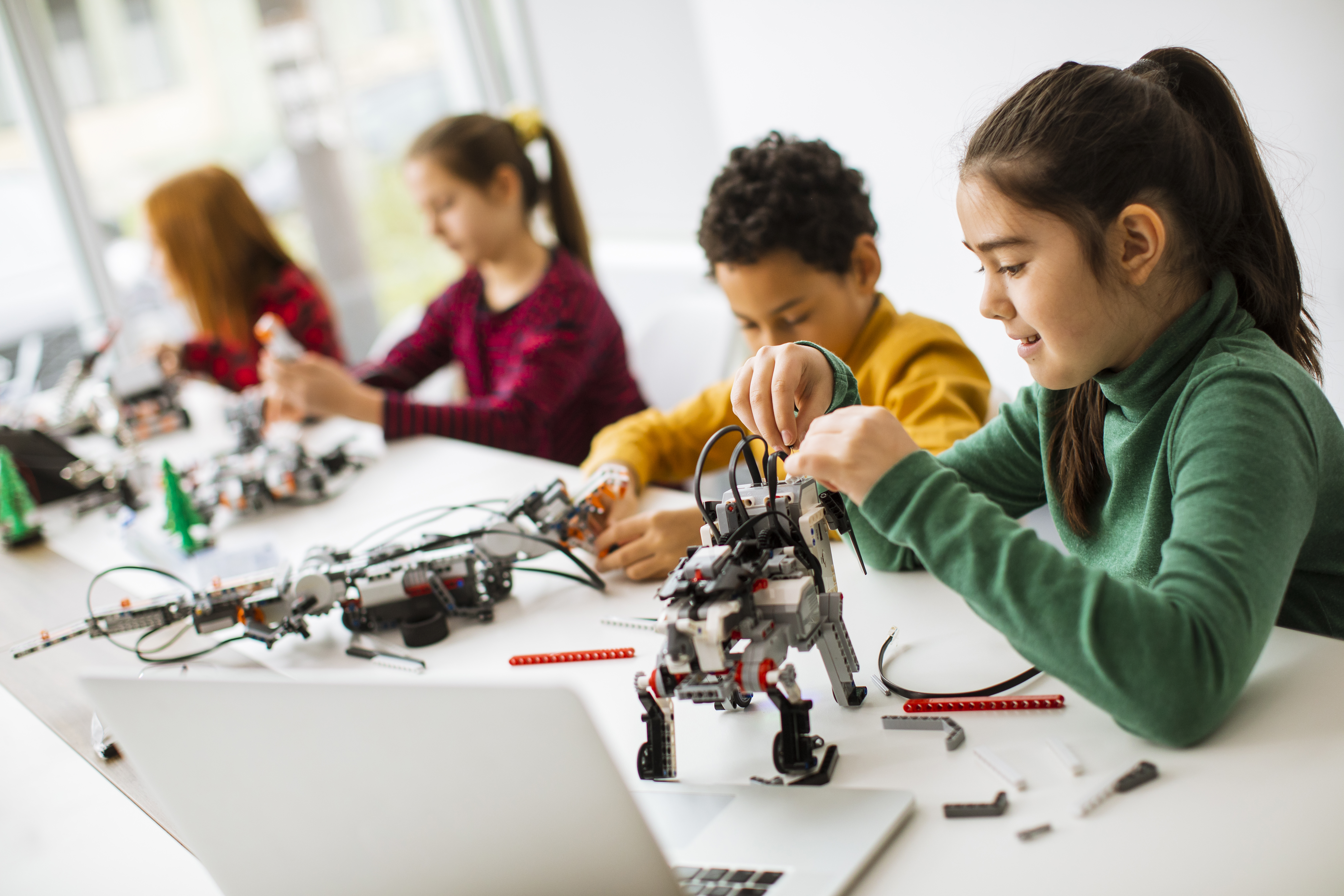
Robotics offers an engaging, hands-on learning experience that helps students develop critical skills such as problem-solving, teamwork, and innovation. By working with robotic kits and programming software, students gain practical knowledge that can be directly applied to real-world situations. This experiential learning model fosters a deeper understanding of complex concepts and encourages creativity.
Moreover, students learn valuable technical skills such as coding, engineering design, and mechanical assembly. These skills are essential in today's job market, where technology plays a pivotal role across various industries. By mastering these competencies early on, students can pursue careers in fields like engineering, manufacturing, and information technology.
Bridging the Gap Between Education and Industry
The integration of robotics in CTE serves as a bridge between academic institutions and the industry. Schools collaborate with tech companies to create curricula that align with current industry standards and demands. This partnership ensures that students are learning relevant skills that are applicable in their future careers.

By focusing on industry-specific applications, students gain insights into how robotics is used in sectors such as healthcare, automotive, and aerospace. This exposure not only broadens their understanding but also helps them make informed decisions about their career paths.
Preparing for the Future Workforce
As automation and artificial intelligence become increasingly prevalent, the demand for professionals skilled in robotics is on the rise. CTE programs that incorporate robotics are preparing students for this shift by providing them with the knowledge and experience needed to excel in tech-focused roles.
- Automation Specialists
- Robotics Engineers
- Data Analysts
- Software Developers

By integrating robotics into education, schools are not only enhancing student engagement but also ensuring that the future workforce is equipped to handle the challenges and opportunities of a technology-driven world.
Challenges and Opportunities
While the benefits of incorporating robotics in education are clear, there are challenges to consider. Schools must invest in resources and training for educators to effectively teach robotics. Additionally, there is a need to ensure that all students have equal access to these learning opportunities, regardless of their socio-economic background.
Despite these challenges, the potential for growth and innovation in CTE through robotics is immense. By embracing this technology, educational institutions can inspire a new generation of thinkers, creators, and leaders who are ready to take on the challenges of the future.