
The Future of Metal Fabrication in Education: Trends and Innovations


Introduction
The world of metal fabrication is evolving rapidly, and its integration into education is becoming increasingly important. As industries demand more skilled professionals, educational institutions are adapting by incorporating innovative technologies and teaching methods. This blog post explores the emerging trends and innovations shaping the future of metal fabrication in education.
Technological Advancements
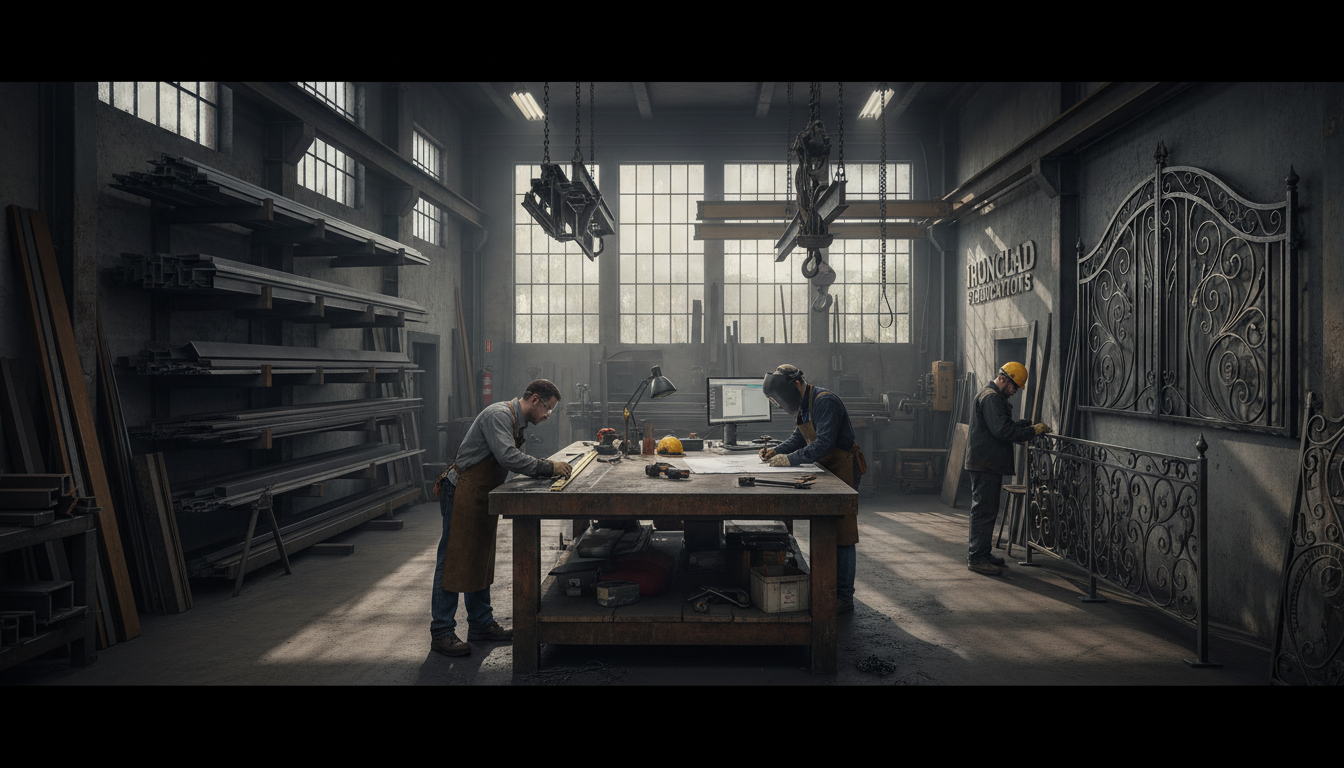
Technology is at the forefront of transforming how metal fabrication is taught. From computer-aided design (CAD) software to advanced machinery, students now have access to tools that were once only available in professional settings. These technologies allow for more precise and efficient fabrication processes, giving students hands-on experience with industry-standard equipment.
3D Printing and Automation
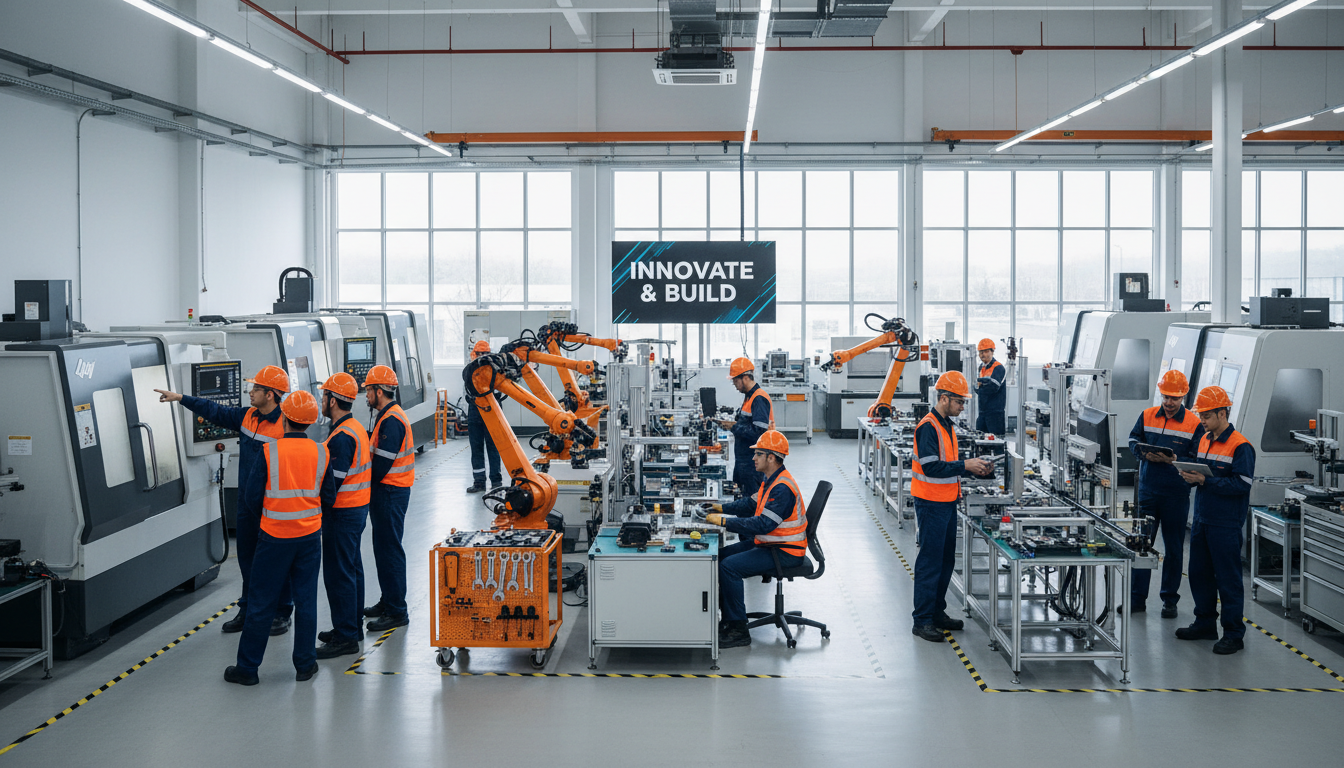
3D printing and automation are revolutionizing metal fabrication education. With 3D printers, students can create complex metal parts that would be difficult to produce using traditional methods. Automation, on the other hand, introduces them to robotic systems that enhance productivity and safety in fabrication processes.
Curriculum Integration
Educational institutions are rethinking their curricula to incorporate metal fabrication more effectively. By integrating fabrication courses into engineering and design programs, students gain a comprehensive understanding of how metal works in various applications. This approach not only prepares students for careers in fabrication but also enhances their problem-solving and critical-thinking skills.

Collaborative Learning
Collaborative learning is gaining traction as a method to enhance metal fabrication education. By working in teams, students can tackle real-world problems, combining their skills and knowledge to find solutions. This team-based approach mirrors the collaborative nature of the industry, preparing students for future work environments.
Industry Partnerships
Partnerships between educational institutions and the metal fabrication industry are proving beneficial. These collaborations provide students with internships, apprenticeships, and job placements, offering invaluable real-world experience. Additionally, industry partnerships ensure that educational programs remain aligned with the latest industry standards and practices.
Certifications and Training
Certifications are becoming a key component of metal fabrication education. Institutions are offering specialized training that leads to certifications recognized by the industry. This not only enhances students' employability but also ensures they meet the rigorous demands of modern fabrication roles.
Future Outlook
The future of metal fabrication in education looks promising, with continuous advancements in technology and teaching methods. As the industry evolves, educational institutions will play a crucial role in shaping the next generation of skilled fabricators. By staying ahead of trends and embracing innovation, education can bridge the gap between traditional techniques and modern demands.