The Future of Manufacturing: Integrating 3D Printing and Laser Engraving


The Evolution of Manufacturing
In recent years, the manufacturing industry has experienced a dramatic transformation, driven by the integration of advanced technologies. Among these, 3D printing and laser engraving stand out as game-changers. This evolution is not only enhancing production capabilities but also redefining the landscape of manufacturing altogether.
The adoption of these technologies offers significant benefits, including increased efficiency, reduced costs, and the ability to create more complex designs. As manufacturers continue to explore these tools, the future promises even greater innovation and adaptation.
3D Printing: A New Dimension in Manufacturing
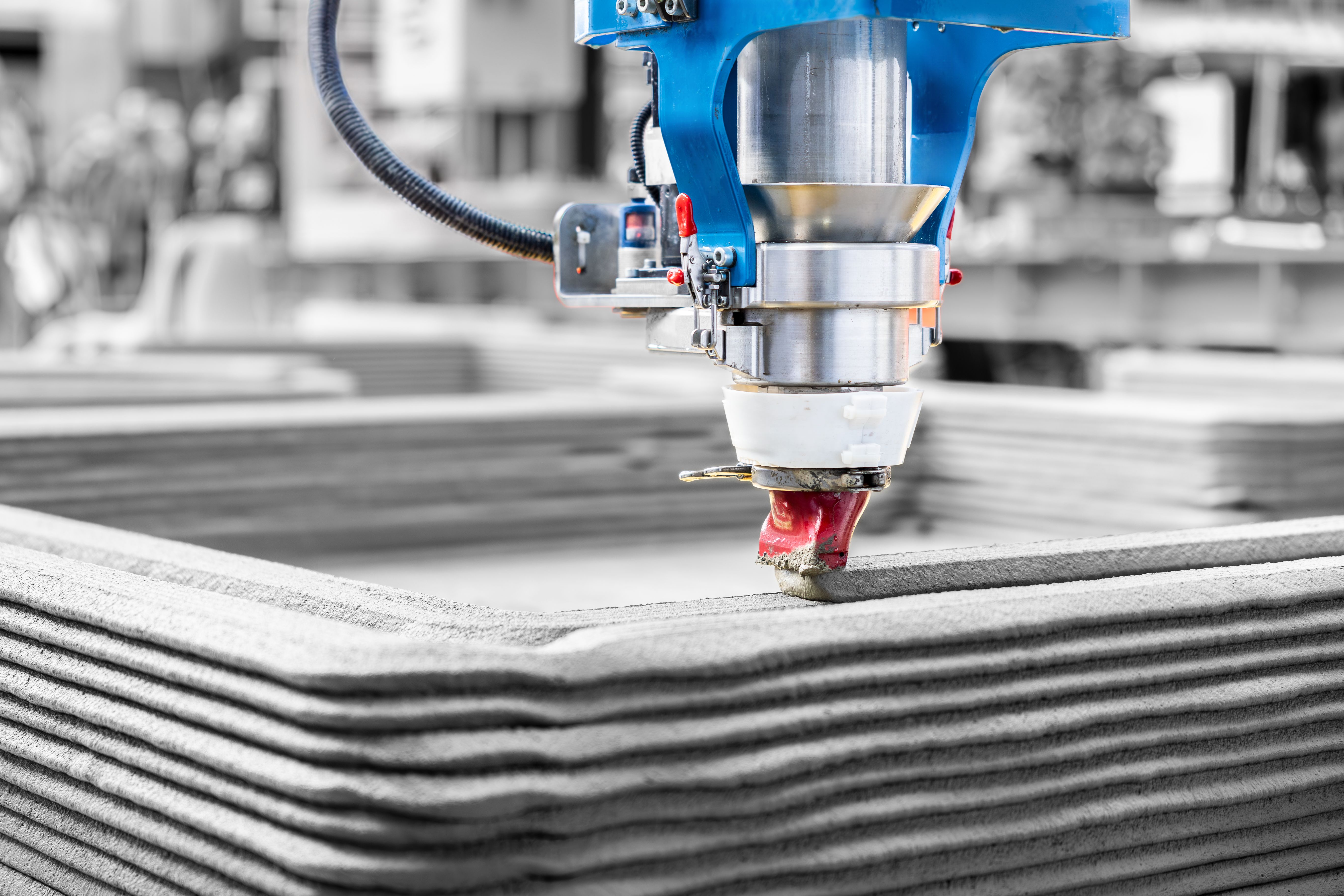
3D printing, also known as additive manufacturing, has revolutionized the way products are designed and produced. This technology allows manufacturers to create intricate designs with precision and flexibility, opening up possibilities that were previously unattainable with traditional methods.
Several industries are already leveraging 3D printing to enhance their processes. From automotive to healthcare, the ability to produce customized parts quickly and cost-effectively is transforming how businesses operate. The ability to prototype swiftly and efficiently is also accelerating the pace of innovation.
Laser Engraving: Precision at Its Best
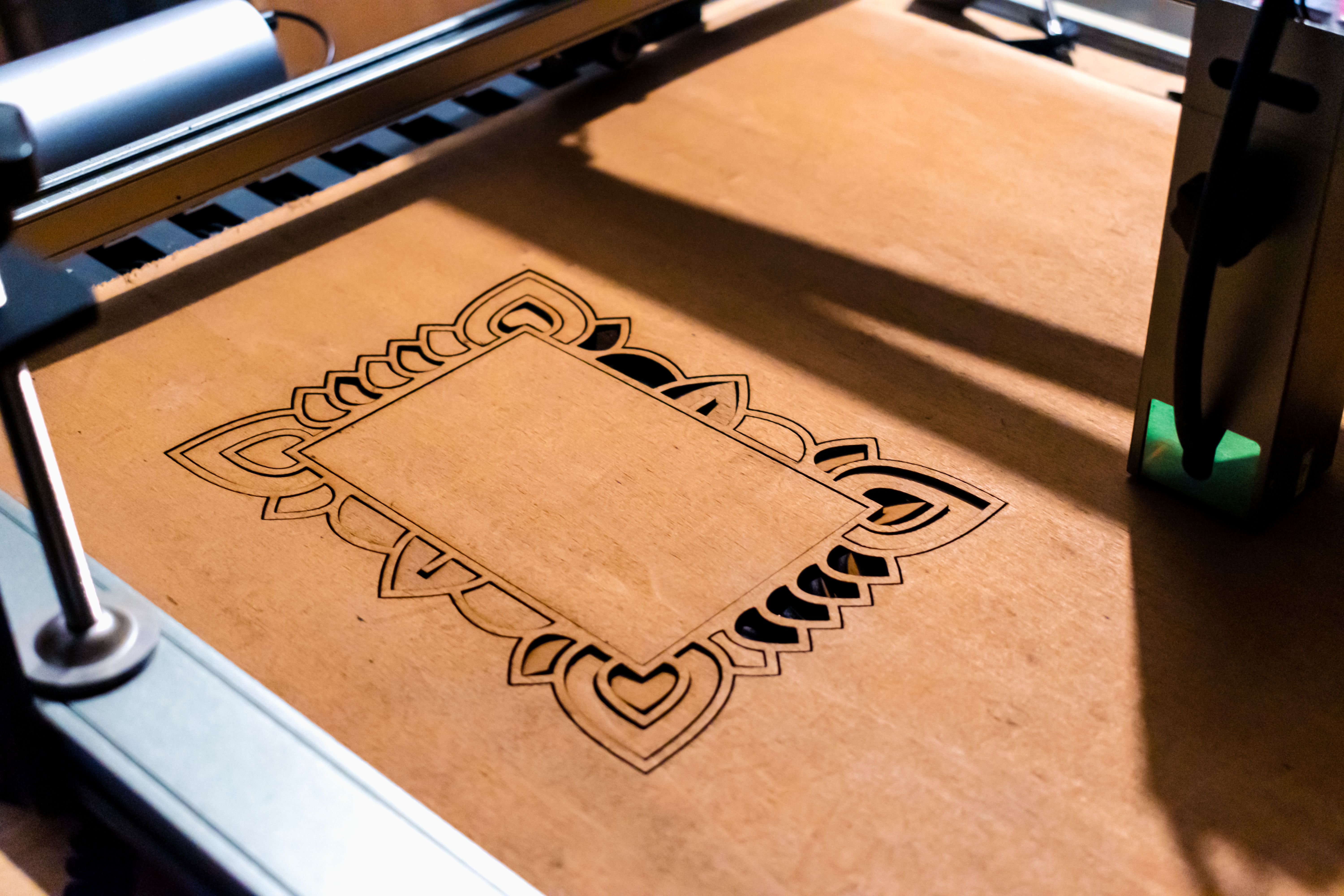
Laser engraving is another technology reshaping the manufacturing sector. Known for its accuracy and versatility, laser engraving provides manufacturers with the ability to mark or engrave intricate designs on various materials with high precision.
This technology is widely used in sectors such as electronics, jewelry, and aerospace, where precision is paramount. The ability to customize products with detailed engravings is enhancing brand differentiation and customer satisfaction.
Integration: The Future of Manufacturing
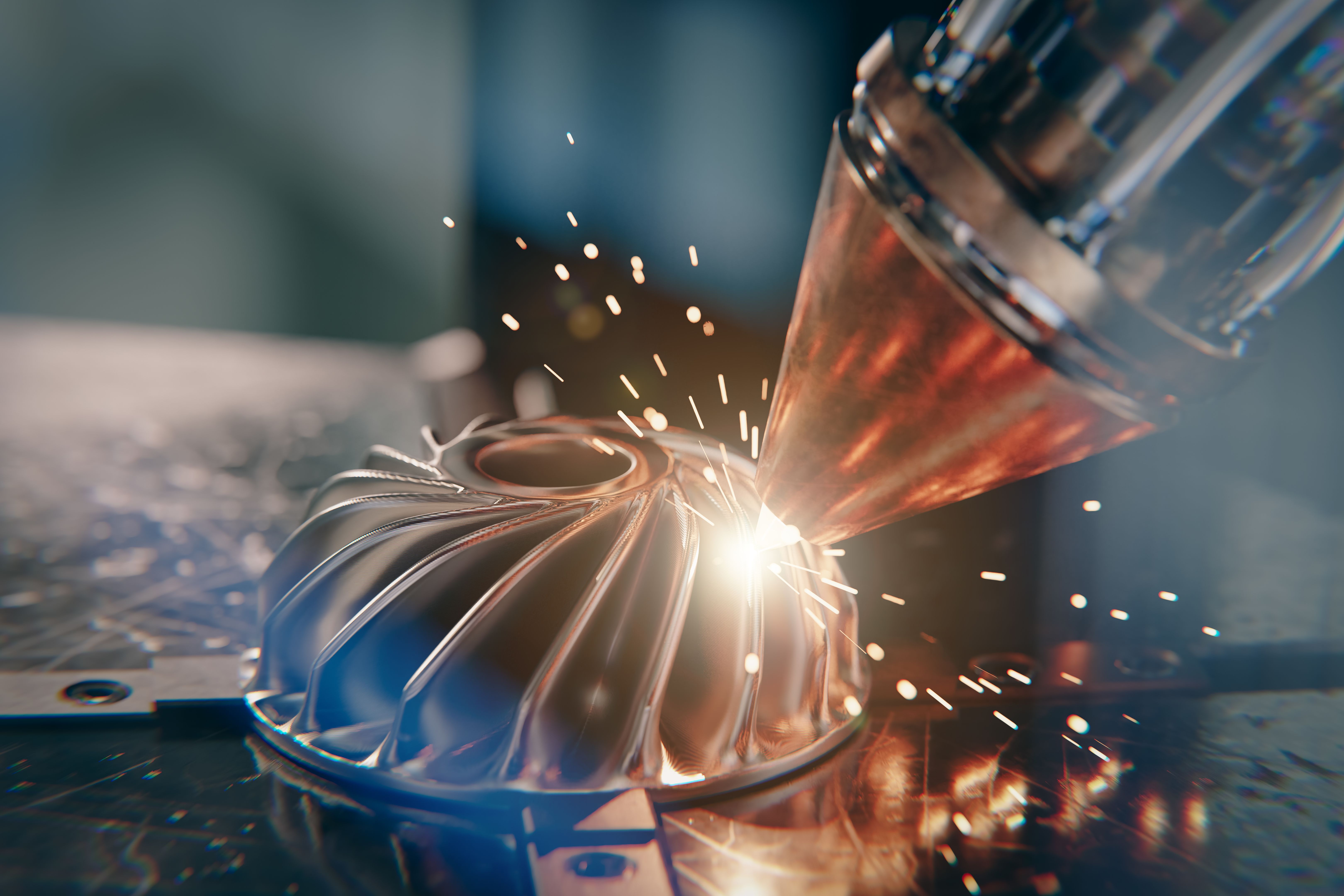
The integration of 3D printing and laser engraving is paving the way for a more agile and responsive manufacturing environment. By combining these technologies, manufacturers can achieve more complex designs with unmatched precision and efficiency.
For instance, the integration allows for the creation of detailed components using 3D printing, which can then be personalized or finished with laser engraving. This synergy not only reduces production time but also enhances product quality and customization.
Challenges and Opportunities
While the benefits are substantial, integrating these technologies is not without challenges. Manufacturers must consider factors such as the initial investment, training requirements, and potential disruptions to existing workflows.
However, the opportunities far outweigh the challenges. By embracing these technologies, manufacturers can stay ahead of the competition, innovate faster, and cater to the ever-evolving demands of consumers.
Conclusion: Embracing the Future
The future of manufacturing lies in the seamless integration of advanced technologies like 3D printing and laser engraving. As these tools become more accessible and affordable, their impact on the industry will only grow.
Manufacturers willing to invest in these technologies will not only enhance their operational capabilities but also position themselves as leaders in a rapidly evolving landscape. The time to embrace the future is now.