
Seasonal Trends in Robotics Education: What to Expect This Year


The field of robotics education is evolving rapidly, and this year promises to bring exciting developments. As technology advances, educators and learners alike are embracing new tools and methodologies to enhance the learning experience. Here, we explore some of the key trends in robotics education to watch out for this year.
Integration of Artificial Intelligence
One of the most significant trends is the integration of Artificial Intelligence (AI) into robotics education. AI is not only enhancing the capabilities of robots but also providing students with a deeper understanding of how machines learn and adapt. This integration is enabling more personalized learning experiences and fostering critical thinking skills.

AI-Powered Learning Tools
AI-powered learning tools are becoming increasingly prevalent in classrooms. These tools offer personalized feedback and adapt to individual student needs, making robotics education more accessible and effective. By simulating real-world scenarios, AI is helping students better understand complex concepts.
Emphasis on Hands-On Learning
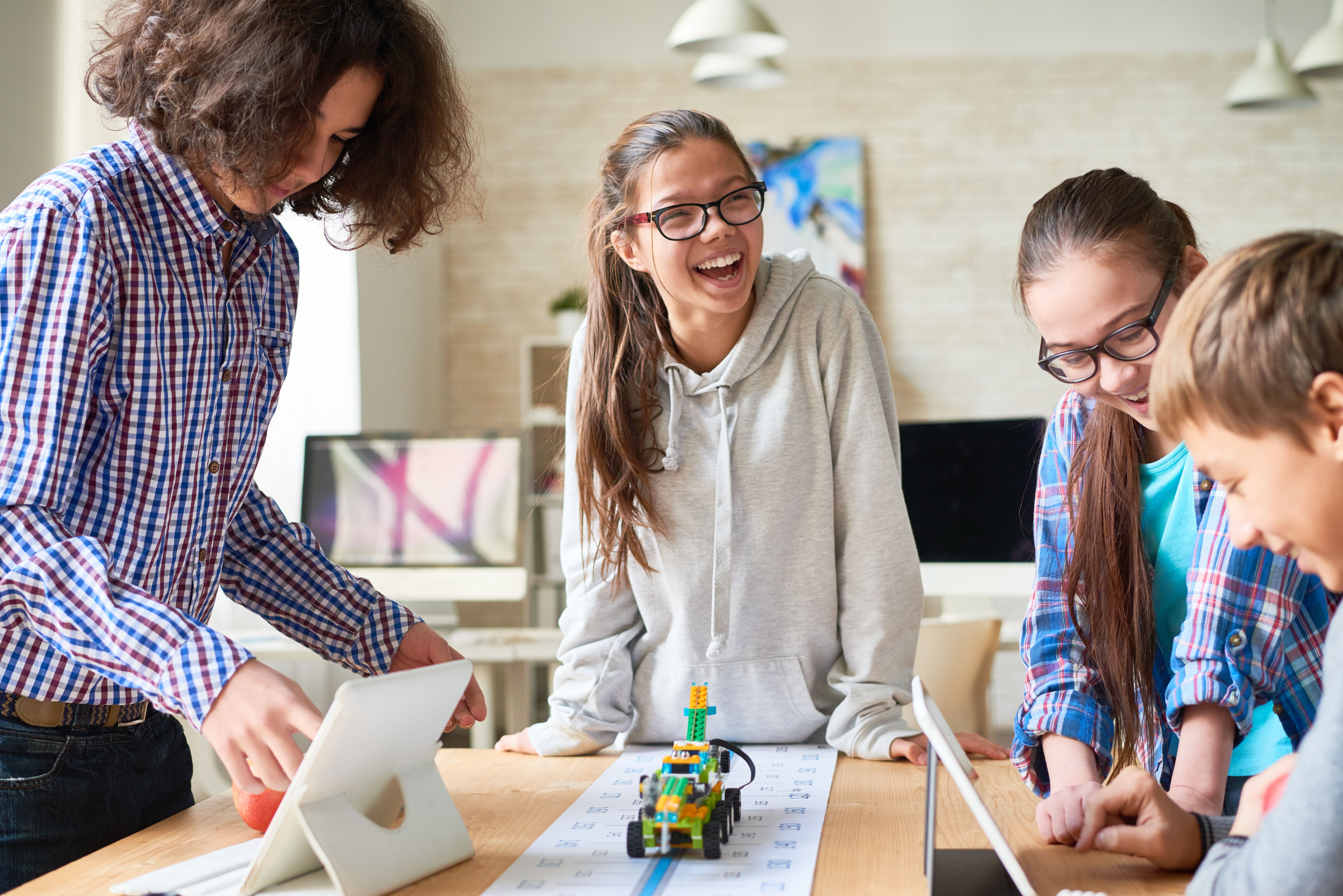
Hands-on learning continues to be a cornerstone of robotics education. This year, there is a growing emphasis on project-based learning, where students build and program their own robots. This approach not only enhances technical skills but also encourages creativity and innovation.
Collaborative Projects
Collaboration is key in robotics education, and many programs are focusing on team-based projects. These projects allow students to work together, share ideas, and solve problems collectively, preparing them for future careers in technology and engineering.
Focus on Sustainability
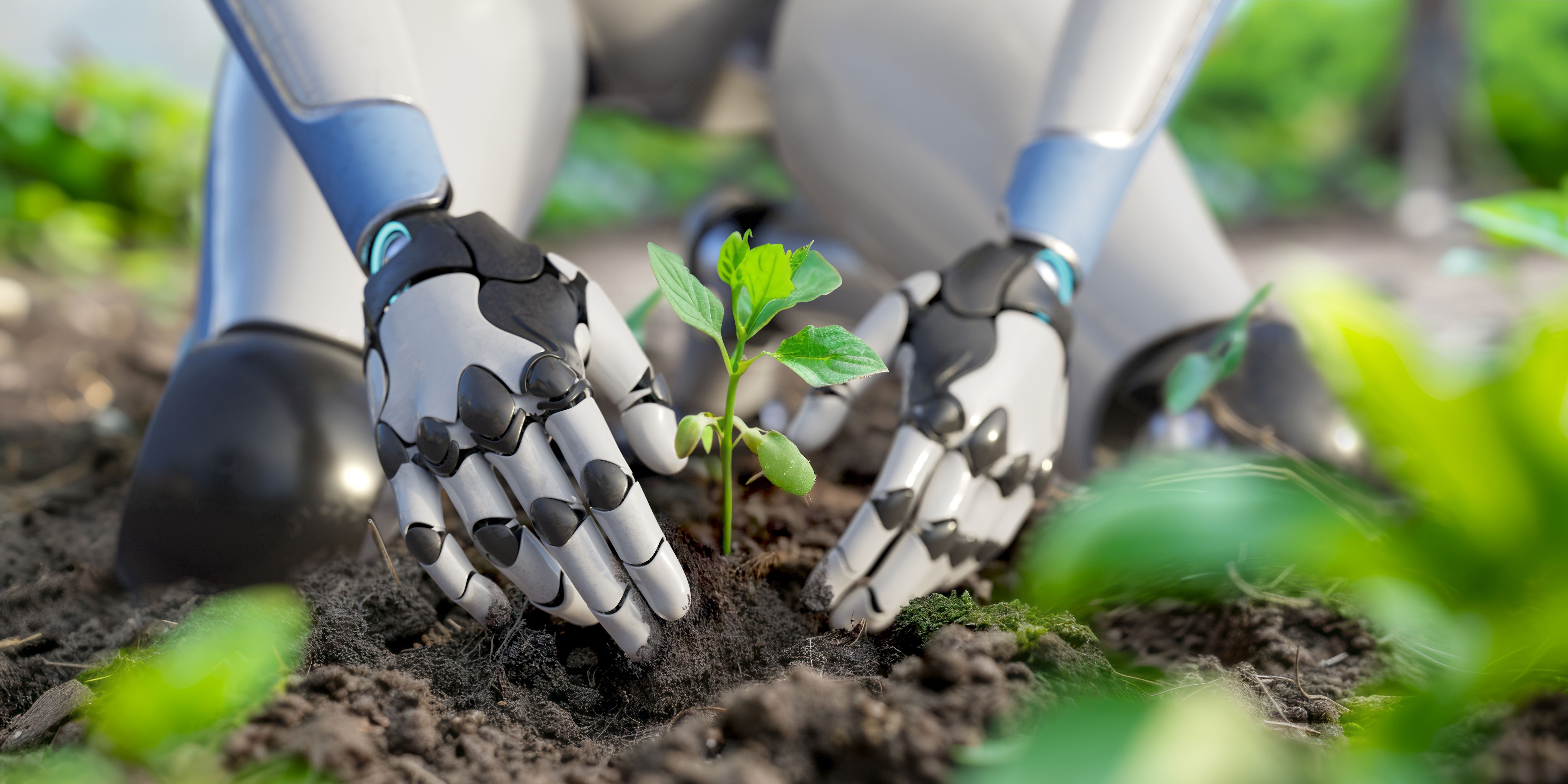
With growing awareness of environmental issues, robotics education is increasingly incorporating sustainability into its curriculum. Students are being taught to design robots that can address environmental challenges, from waste management to renewable energy solutions.
Eco-Friendly Robotics Competitions
Many educational institutions are hosting eco-friendly robotics competitions. These events encourage students to think critically about how robotics can contribute to a sustainable future, promoting both innovation and environmental responsibility.
Remote Learning and Virtual Robotics
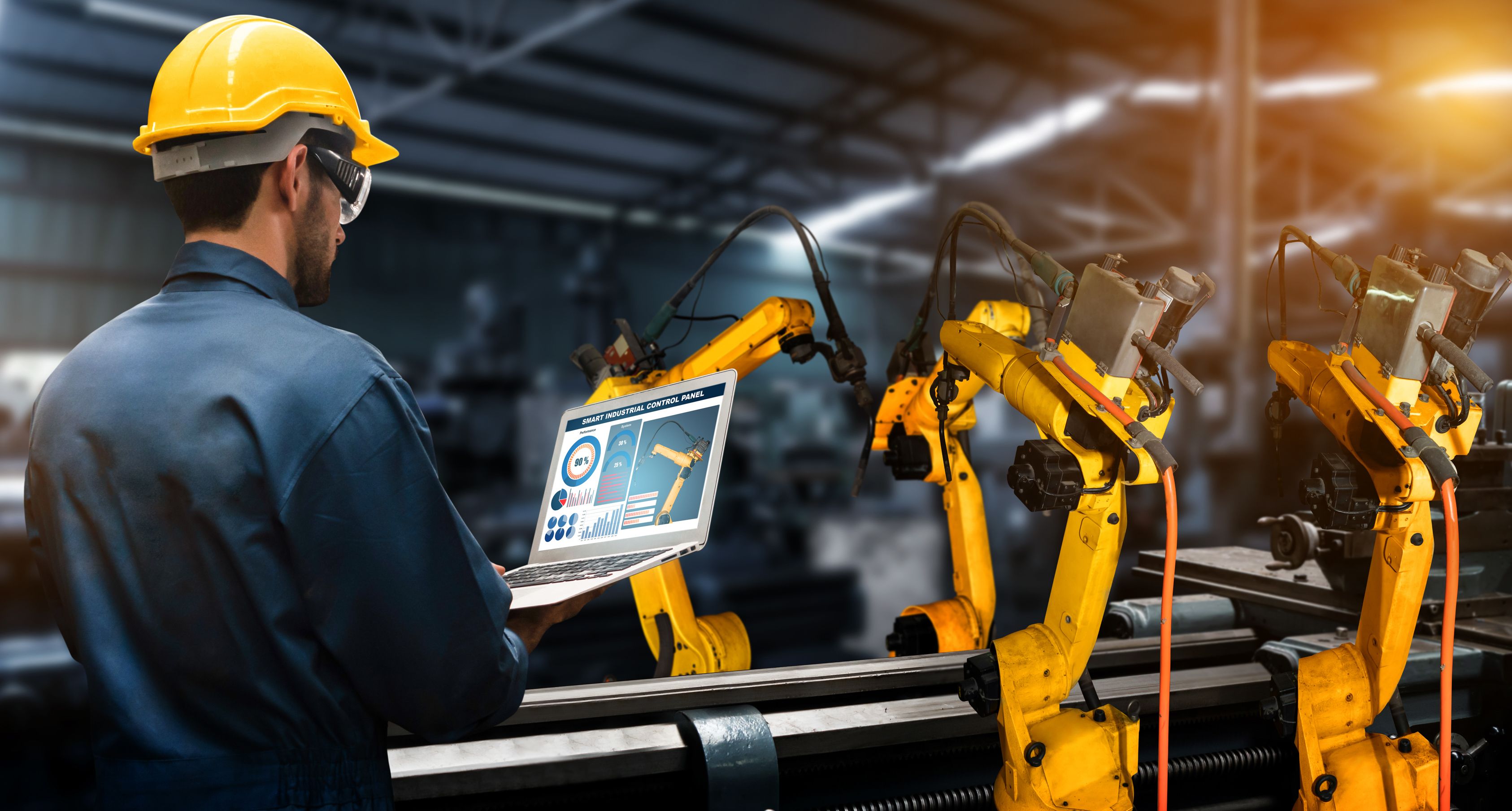
The shift to remote learning has accelerated the adoption of virtual robotics platforms. These platforms offer students the opportunity to program and control robots in a virtual environment, making robotics education more accessible to those who cannot attend in-person classes.
Benefits of Virtual Platforms
- Accessibility for remote learners
- Cost-effective alternatives to physical robots
- Safe environment for experimentation
As we look forward to another year of innovation in robotics education, these trends highlight the dynamic and ever-evolving nature of the field. By embracing new technologies and methodologies, educators are preparing students for a future where robotics plays an integral role in our lives.