Latest Trends in Metal Cutting Technology: What Schools and Businesses Need to Know


Introduction to Metal Cutting Technology
Metal cutting technology has evolved significantly over the years, driven by advancements in machinery, software, and materials. For both educational institutions and businesses, staying updated with the latest trends is crucial to maintaining competitiveness and ensuring students and employees are equipped with relevant skills.

Innovations in Cutting Tools
The development of cutting tools has seen remarkable progress. Today’s tools are designed to be more durable and efficient, using materials like carbide, ceramics, and diamond. These materials allow for faster cutting speeds and longer tool life, which can significantly increase productivity.
Carbide and Ceramic Tools
Carbide and ceramic tools are particularly popular in industries requiring high precision. They offer excellent wear resistance and can handle high temperatures, making them ideal for cutting hard metals. Schools integrating these tools into their curriculum can better prepare students for modern manufacturing environments.

Advancements in CNC Technology
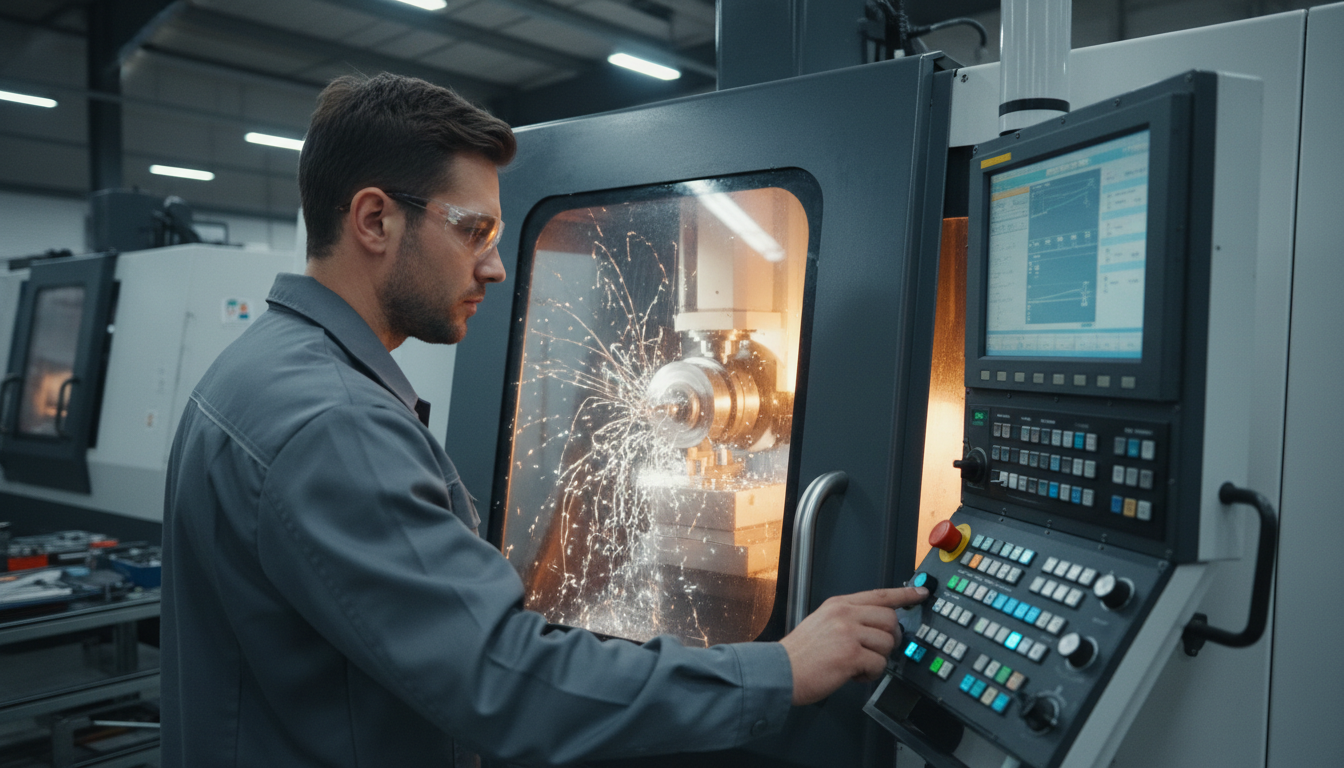
Computer Numerical Control (CNC) technology continues to revolutionize the metal cutting industry. CNC machines now come with more intuitive interfaces and enhanced automation capabilities, allowing for greater precision and efficiency. Businesses adopting these technologies often see a reduction in waste and an increase in production speed.
Smart Manufacturing
The integration of IoT and machine learning in CNC technology, often referred to as smart manufacturing, is becoming more prevalent. These advancements enable machines to self-monitor and optimize performance, reducing downtime and improving overall efficiency. Schools should focus on these technologies to ensure students are ready for the digital manufacturing era.
Environmental Considerations
With growing environmental concerns, the metal cutting industry is focusing on sustainability. New technologies aim to reduce energy consumption and minimize waste. Eco-friendly coolants and lubricants are being developed to promote cleaner production processes.
Recycling and Waste Management
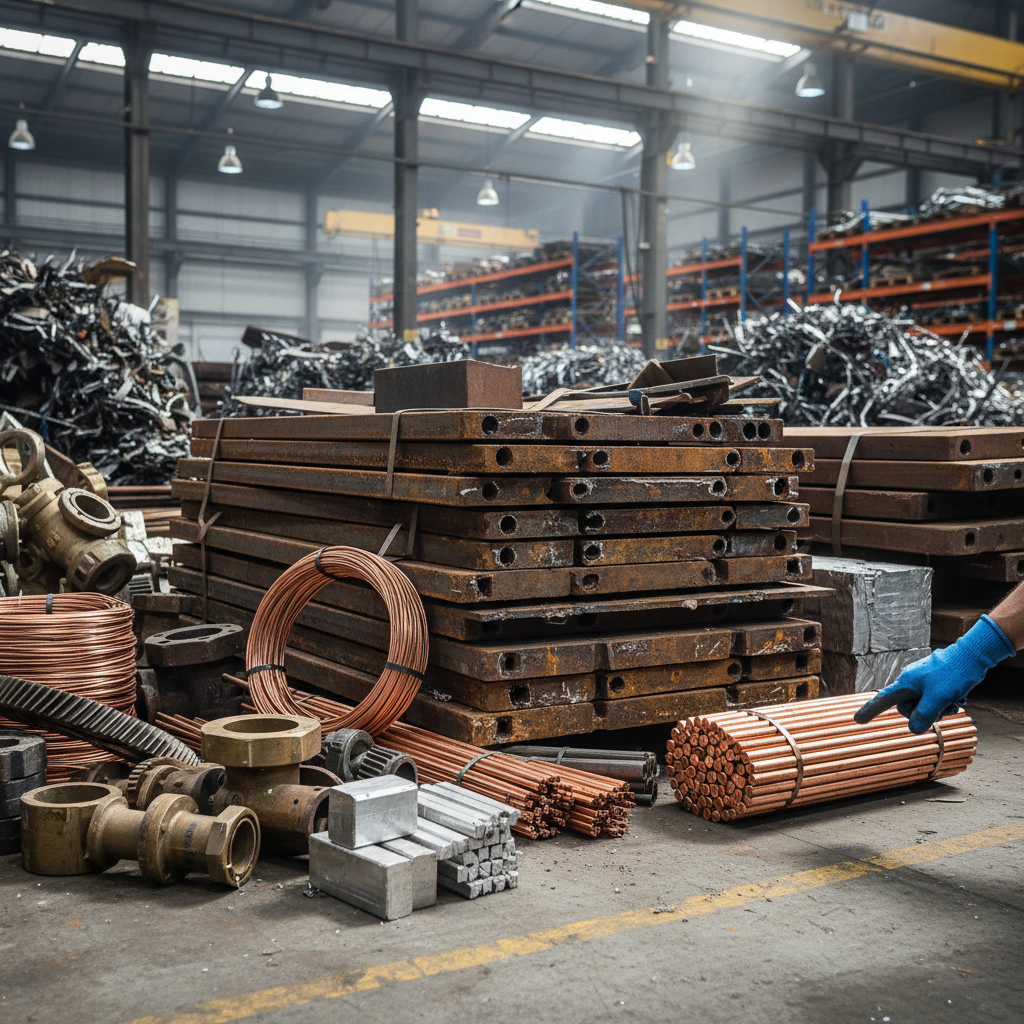
Effective recycling and waste management practices are increasingly important. Metal cutting operations are adopting systems to recycle scrap metal and reduce the environmental impact. Businesses prioritizing sustainability not only contribute positively to the environment but also often see cost savings.
Conclusion
The latest trends in metal cutting technology emphasize the importance of innovation and sustainability. By staying informed and adapting to these changes, schools can better prepare students for the workforce, and businesses can enhance their operational efficiency. Embracing these advancements is essential for future growth and success in the metal cutting industry.