Laser Engraving vs. UV Laser Engraving: What You Need to Know


Understanding Laser Engraving
Laser engraving is a popular technique used to create permanent marks on various materials. It works by using a concentrated beam of light to remove material from the surface, resulting in a precise and intricate design. This method is widely used in industries such as manufacturing, jewelry, and personalization.
The versatility of laser engraving allows it to be applied to numerous materials, including metals, plastics, wood, and glass. Its precision makes it ideal for detailed artwork and text, offering a permanent solution for branding and customization.
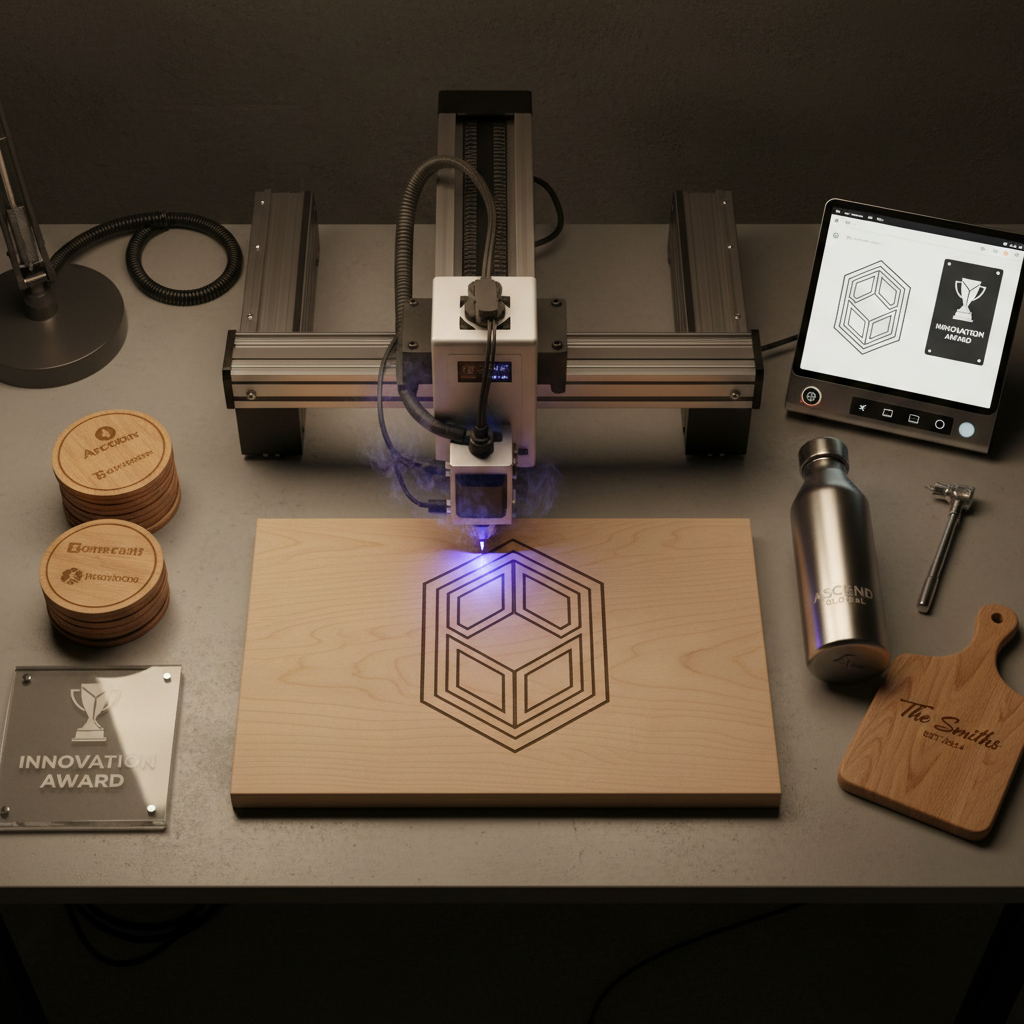
One of the key advantages of laser engraving is its durability. The markings are resistant to wear and tear, ensuring long-lasting results. Additionally, the process is relatively quick, making it suitable for both small-scale and large-scale projects.
What is UV Laser Engraving?
UV laser engraving is a specialized form of laser engraving that uses ultraviolet light to create marks. This method is particularly effective on materials that are sensitive to heat, such as plastics and certain metals. By using a UV laser, it minimizes the risk of damaging the material.
UV lasers operate at a shorter wavelength compared to traditional lasers, allowing for even finer details and sharper edges. This makes UV laser engraving an excellent choice for applications requiring high precision, such as electronics and medical devices.
Another benefit of UV laser engraving is its ability to produce high-contrast markings without the need for additional processing. This efficiency makes it a cost-effective option for businesses looking to streamline their production processes.
Comparing Laser Engraving and UV Laser Engraving
When deciding between laser engraving and UV laser engraving, several factors should be considered. Here is a quick comparison:
- Material Compatibility: Laser engraving works on a wide range of materials, while UV laser engraving is better suited for heat-sensitive materials.
- Precision: UV laser engraving offers higher precision, making it ideal for intricate designs.
- Durability: Both methods provide durable results, but the choice may depend on the specific application.

Overall, the choice between these two methods depends on the specific needs of your project, including the type of material and the level of detail required.
Applications and Industries
Laser engraving is widely used across various industries. In the manufacturing sector, it is employed to mark parts and components for identification and traceability. The jewelry industry uses laser engraving for custom designs and personalization, while the electronics industry relies on it for labeling and branding.
UV laser engraving, with its ability to handle heat-sensitive materials, is favored in the medical and electronics industries. It is used for marking medical devices, circuit boards, and other delicate components where precision and clarity are crucial.

Choosing the Right Method for Your Needs
To determine the best engraving method for your needs, consider the materials you will be working with and the level of detail required. If your project involves intricate designs on heat-sensitive materials, UV laser engraving may be the better choice. For broader applications, traditional laser engraving might suffice.
It's also important to consider the scale of your project and budget constraints. Both methods offer unique advantages, so understanding your specific requirements will help you make an informed decision.
Conclusion
Laser engraving and UV laser engraving are both powerful tools in the world of customization and manufacturing. By understanding their differences and applications, you can choose the method that best suits your project needs, ensuring high-quality and durable results.