Integrating Technology in the Classroom: A Comprehensive Guide for Educators


Understanding the Importance of Technology in Education
Integrating technology in the classroom is no longer a luxury; it is an essential part of modern education. As educators, embracing technological advancements can enhance teaching methodologies, making lessons more engaging and effective. By incorporating digital tools, teachers can cater to diverse learning styles and create a more inclusive learning environment.
Tools and Resources for Educators
Digital Platforms
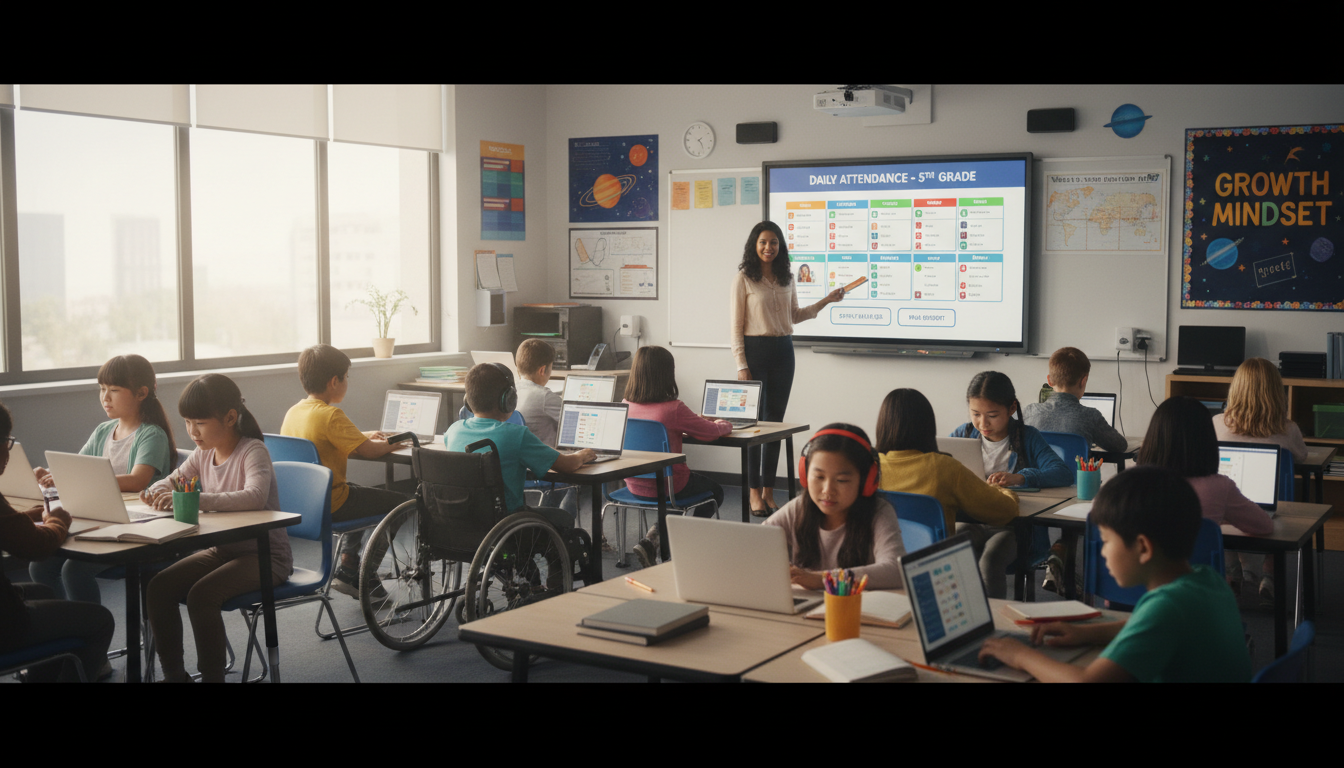
Digital platforms like Google Classroom, Microsoft Teams, and Moodle have revolutionized how teachers manage their classes. These platforms offer features such as assignment submissions, real-time collaboration, and interactive discussions, simplifying classroom management and enhancing student participation.
Interactive Whiteboards
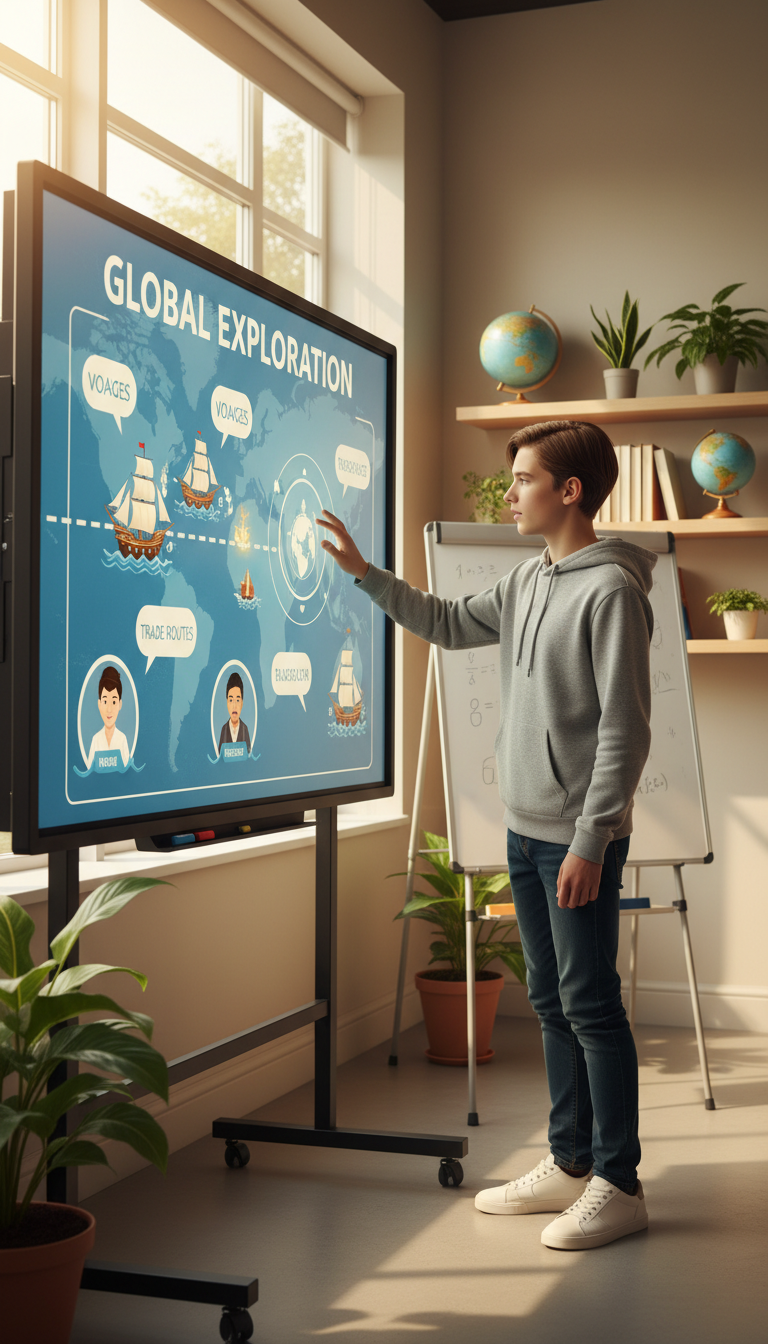
Interactive whiteboards have replaced traditional chalkboards, offering a dynamic way to present lessons. They allow teachers to incorporate multimedia elements like videos and animations, making complex concepts easier to understand. Interactive whiteboards also encourage students to participate actively during lessons.
Strategies for Effective Technology Integration
Start with a Clear Plan
Before integrating technology, it's crucial to develop a clear plan. Identify the specific goals you want to achieve and select the appropriate tools that align with those objectives. Ensure that the technology enhances the learning experience rather than complicating it.
Provide Training and Support
Teachers should receive adequate training to effectively use new technologies. Offering workshops and continuous professional development ensures that educators feel confident and competent in utilizing digital tools. This support is essential for a smooth transition and successful integration.

Overcoming Challenges in Technology Integration
Addressing Accessibility Issues
Ensuring equal access to technology can be challenging, especially in underfunded schools. Educators can seek grants and partnerships with tech companies to provide necessary resources. It's important to consider solutions that make technology accessible to all students.
Managing Screen Time
While technology offers numerous benefits, it's essential to manage screen time effectively. Balancing digital activities with traditional learning methods helps maintain students' attention and reduces potential negative impacts associated with excessive screen use.
The Future of Technology in Education
The future of education is undoubtedly intertwined with technology. As innovations continue to emerge, educators must stay informed and adaptable. By fostering a culture of continuous learning and curiosity, teachers can prepare students for a tech-driven world.
Integrating technology in the classroom is a journey that requires careful planning, ongoing support, and a willingness to adapt. By embracing these changes, educators can provide students with a rich, engaging, and effective learning experience.