Integrating Technology in Education: Benefits for STEM Learning


The Role of Technology in Modern Education
In today's rapidly evolving educational landscape, integrating technology has become a cornerstone for enhancing STEM (Science, Technology, Engineering, and Mathematics) learning. The use of digital tools not only enriches the learning experience but also prepares students for a technology-driven future.
Adopting technology in education helps create an interactive learning environment that can adapt to individual student needs. This personalization fosters deeper understanding and engagement with complex STEM subjects.
Enhancing Engagement and Motivation
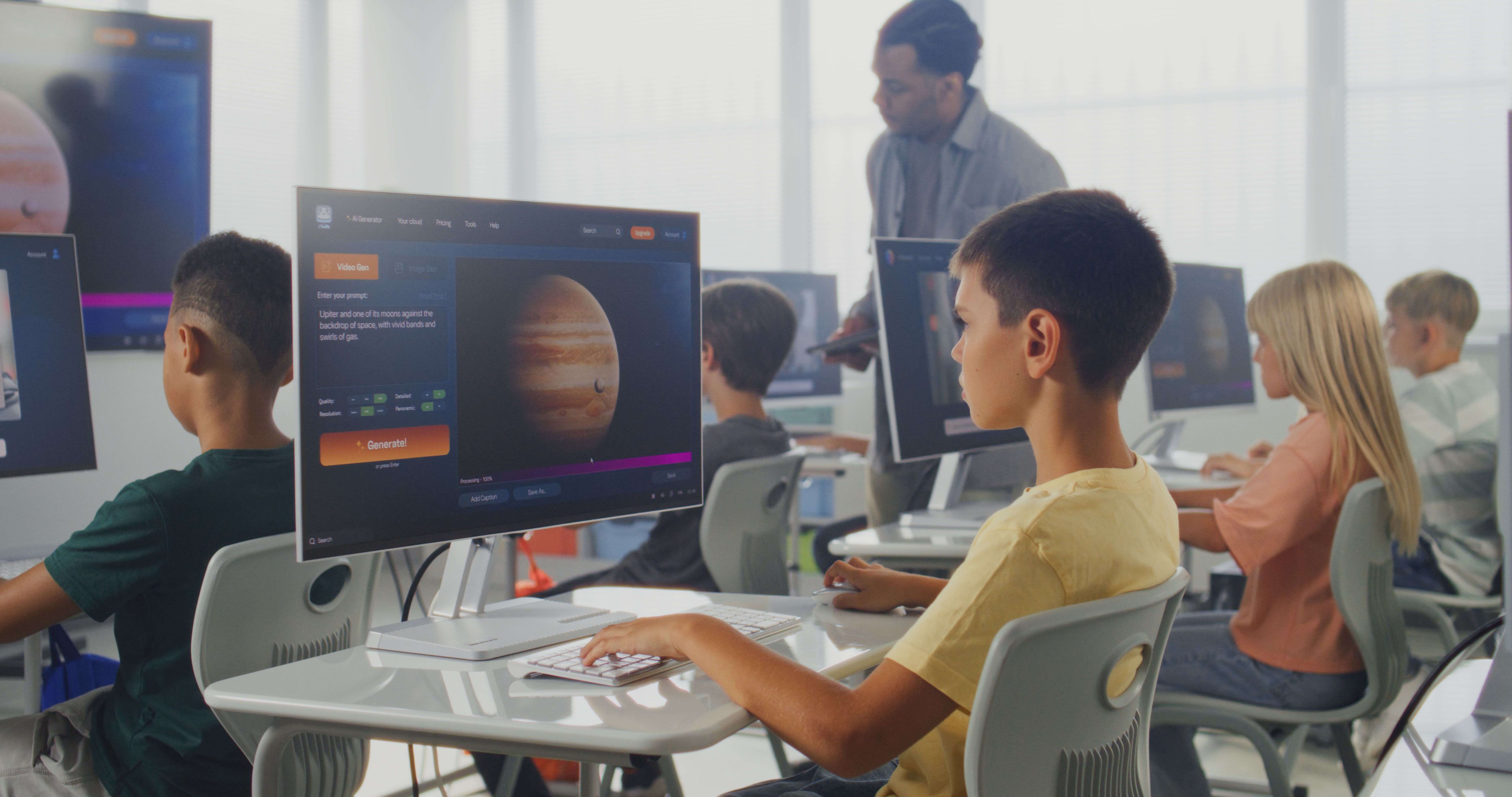
One of the most significant benefits of integrating technology in education is the increased engagement it offers. Interactive tools like simulations and educational games make learning more dynamic and enjoyable for students. These tools can transform abstract concepts into tangible experiences.
Moreover, technology provides instant feedback, which is crucial for STEM subjects where understanding builds on previous knowledge. This immediate response helps students correct mistakes and grasp concepts more effectively.

Facilitating Collaborative Learning
Technology also plays a vital role in promoting collaboration among students. Platforms like online forums and collaborative software allow students to work together on projects, regardless of their physical location. This teamwork is essential in STEM fields, where problem-solving and innovation often require diverse perspectives.
By integrating cloud-based tools, students can share resources and ideas effortlessly, enhancing their collaborative skills and preparing them for the workforce.

Access to a Wealth of Resources
With technology, students have access to a vast array of resources that were previously unavailable. Online libraries, virtual labs, and educational apps provide a wealth of information at students' fingertips. This access democratizes education, offering equal opportunities for learners regardless of geographical constraints.
Additionally, technology facilitates the use of multimedia content, such as videos and animations, which can help clarify complex STEM topics and cater to different learning styles.
Preparing for Future Careers
Integrating technology in STEM education not only enhances learning but also equips students with skills necessary for future careers. As industries increasingly rely on technology, students proficient in tech tools will have a competitive advantage in the job market.
Furthermore, understanding technology's role in solving real-world problems helps students appreciate its importance and inspires them to pursue STEM careers.

Challenges and Considerations
While the benefits are clear, integrating technology in education also presents challenges. Ensuring equal access to technology for all students is crucial to prevent widening the digital divide. Additionally, teachers must receive adequate training to effectively incorporate technology into their teaching practices.
By addressing these challenges, educators can harness the full potential of technology to enrich STEM learning and prepare students for a technology-driven world.