How to Integrate Technology in Teaching: Innovative STEM Solutions


Understanding the Role of Technology in STEM Education
The integration of technology in teaching has transformed the landscape of education, particularly in STEM (Science, Technology, Engineering, and Mathematics) fields. By leveraging innovative solutions, educators can enhance learning experiences and better prepare students for future challenges. Understanding the role of technology in STEM education is crucial for developing effective teaching strategies.
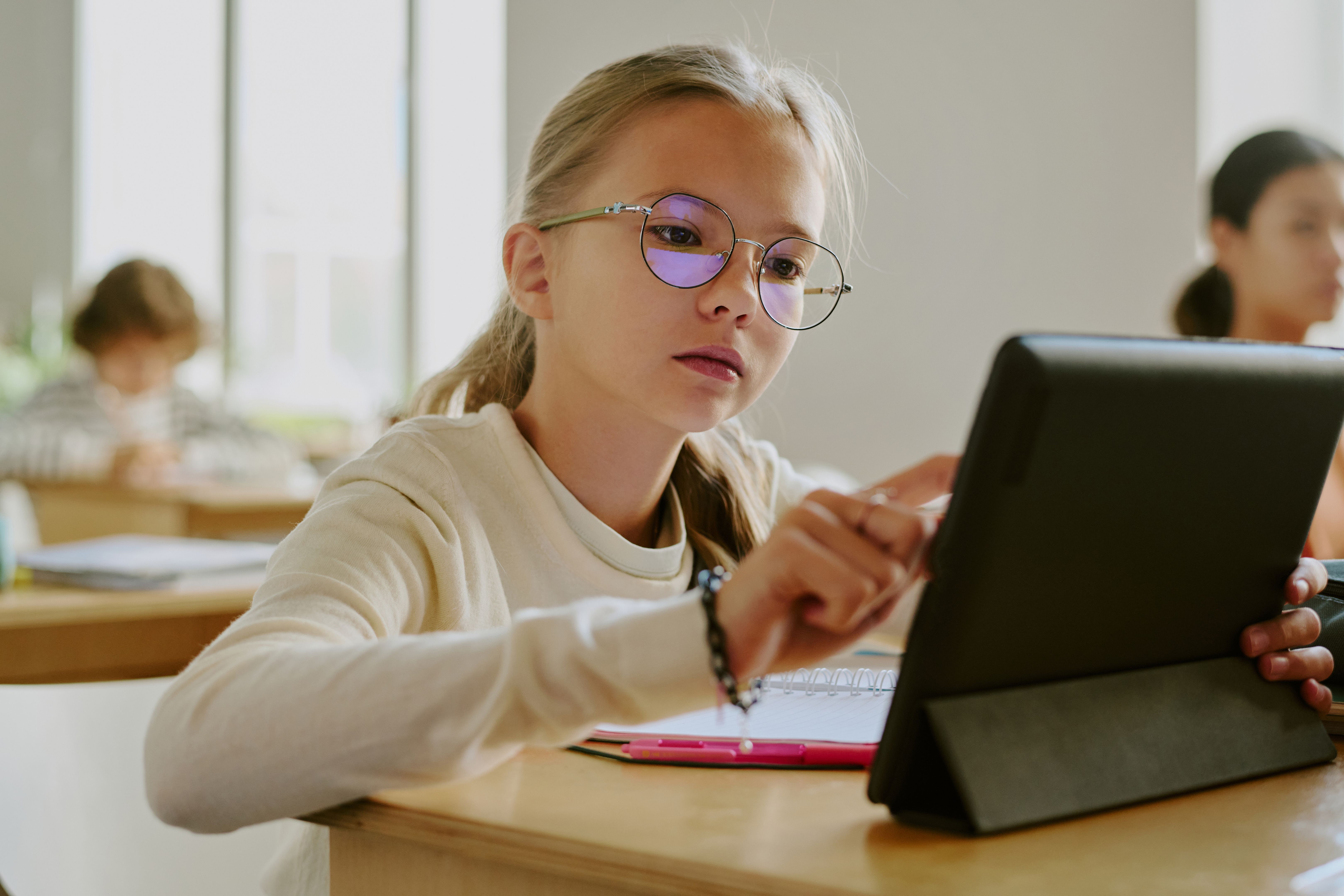
Technology offers numerous benefits in the classroom, including personalized learning experiences, real-time feedback, and interactive content. It enables students to engage deeply with complex concepts and fosters a collaborative learning environment.
Utilizing Interactive Tools and Platforms
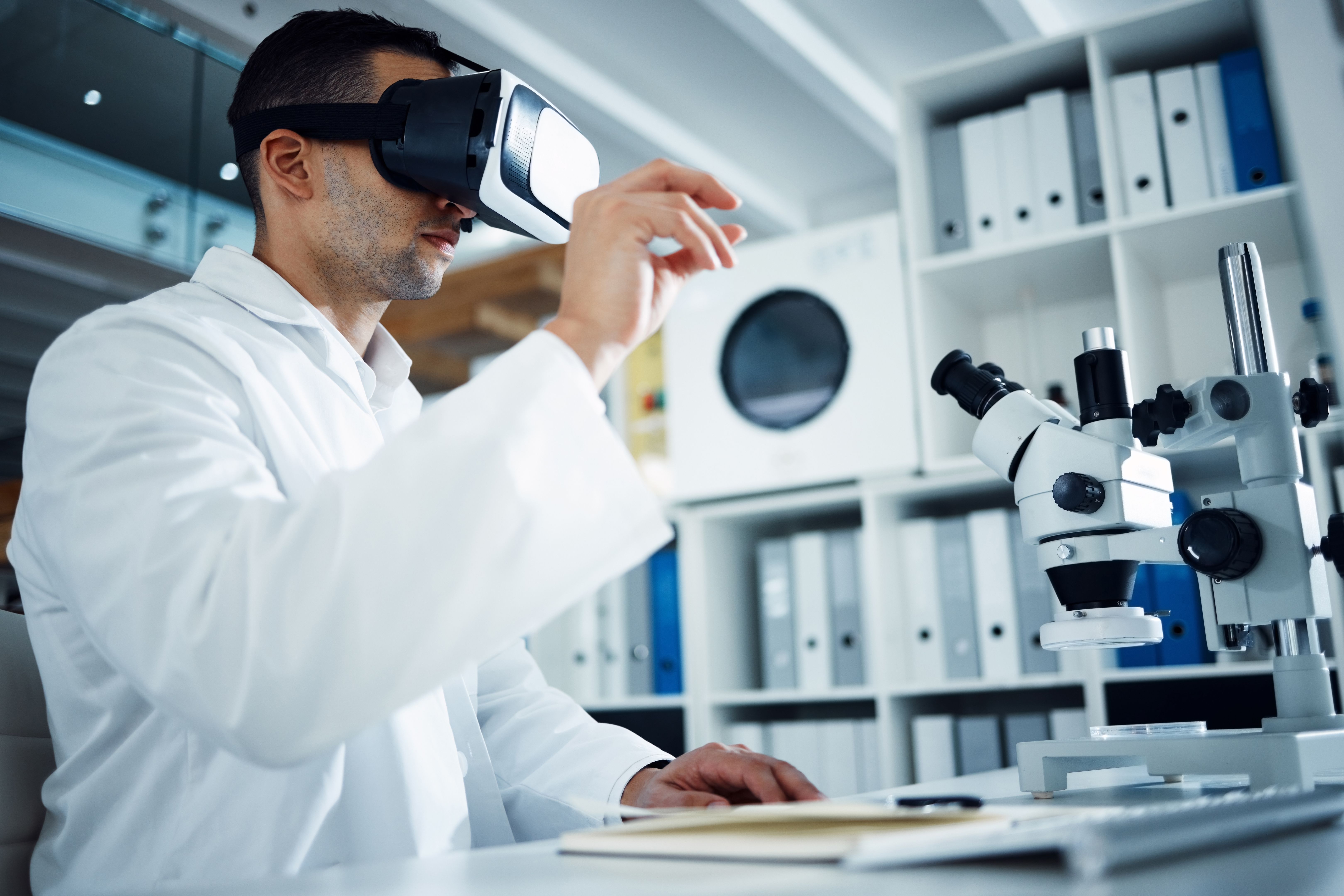
Interactive tools and platforms have become essential in modern STEM education. Platforms like virtual labs and simulations allow students to experiment and explore scientific concepts in a risk-free environment. These tools provide hands-on experiences that are crucial for understanding abstract ideas.
Moreover, platforms such as learning management systems (LMS) streamline the educational process, offering a centralized location for resources, assignments, and assessments. This integration not only simplifies the workflow for educators but also enhances the learning experience for students.
Incorporating Coding and Robotics
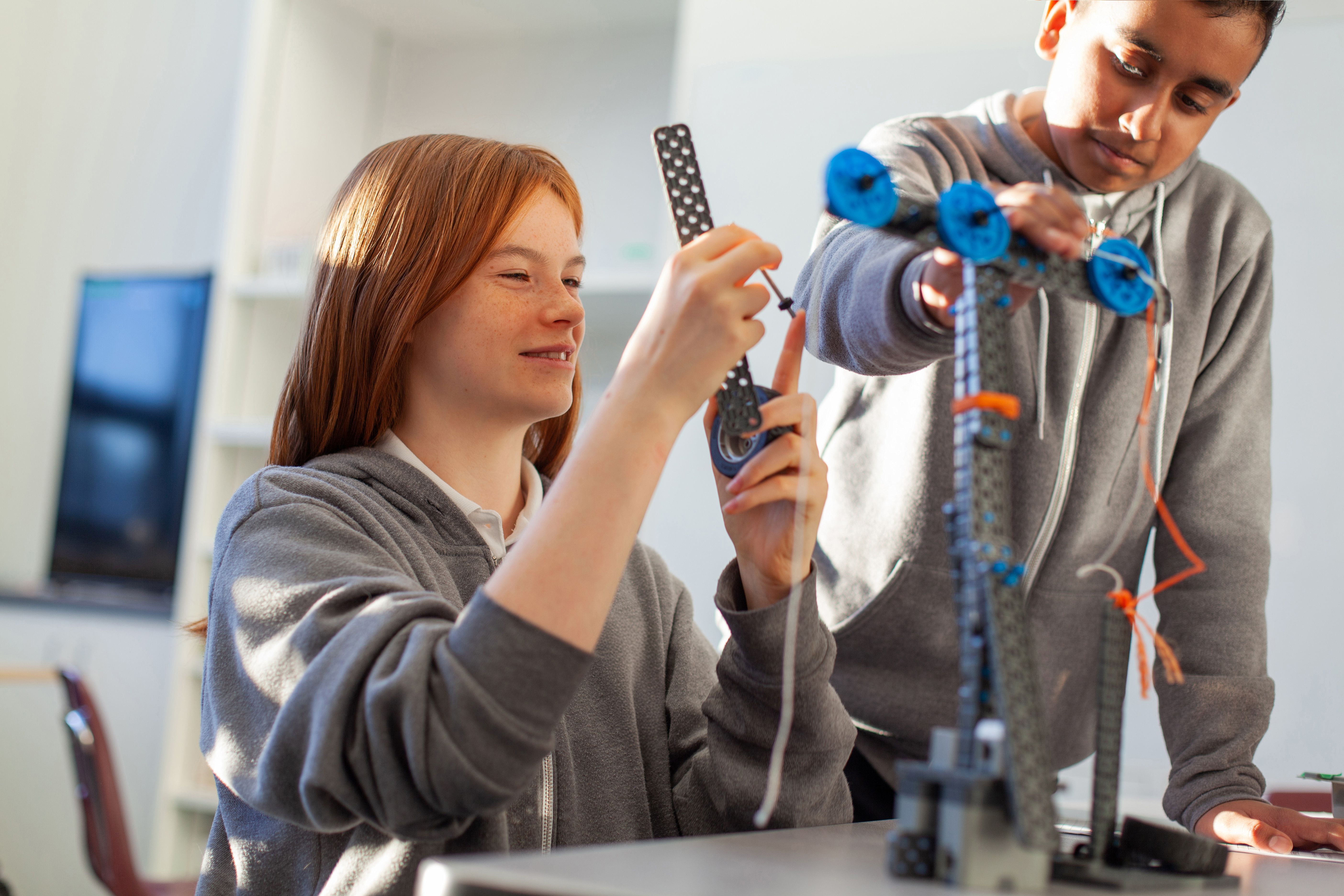
Introducing coding and robotics in the curriculum is another effective way to integrate technology in teaching. These subjects encourage problem-solving, critical thinking, and creativity. By engaging in coding projects or building robots, students can see the practical applications of their learning, which increases motivation and interest.
Robotics kits and coding platforms are available for various educational levels, ensuring that students from kindergarten to high school can participate in these activities. This early exposure to technology helps in developing essential skills for the future workforce.

Enhancing Collaboration Through Technology
Technology facilitates collaboration among students, both within the classroom and globally. Tools like collaborative platforms, video conferencing, and cloud-based documents allow students to work together on projects, share ideas, and receive feedback in real time.
These collaborative experiences not only enhance learning but also build communication and teamwork skills, which are vital in today’s interconnected world. Educators can encourage collaboration by assigning group projects and utilizing these technological tools effectively.
Implementing Data Analytics for Personalized Learning
Data analytics is a powerful tool for personalizing the learning experience. By analyzing student performance and engagement, educators can tailor their teaching methods to better suit individual needs. This approach ensures that all students receive the support they need to succeed in their studies.
Adaptive learning platforms utilize data analytics to adjust the difficulty of tasks and provide targeted interventions, helping students to progress at their own pace. This personalized approach maximizes learning outcomes and keeps students engaged.

Overcoming Challenges in Technology Integration
While technology offers many benefits, integrating it into the classroom can present challenges. Educators may face issues such as limited resources, lack of training, or resistance to change. Addressing these challenges requires a strategic approach and support from educational institutions.
Providing professional development opportunities for teachers and investing in necessary infrastructure are critical steps in overcoming these obstacles. With the right support, educators can successfully integrate technology into their teaching practices, enhancing the overall educational experience.
In conclusion, the integration of technology in STEM education offers innovative solutions that enrich the learning environment. By embracing these tools, educators can prepare students for the demands of the modern world, ensuring they are equipped with the skills and knowledge needed for future success.