
How to Create an Engaging Makerspace in Your School


Understanding the Makerspace Concept
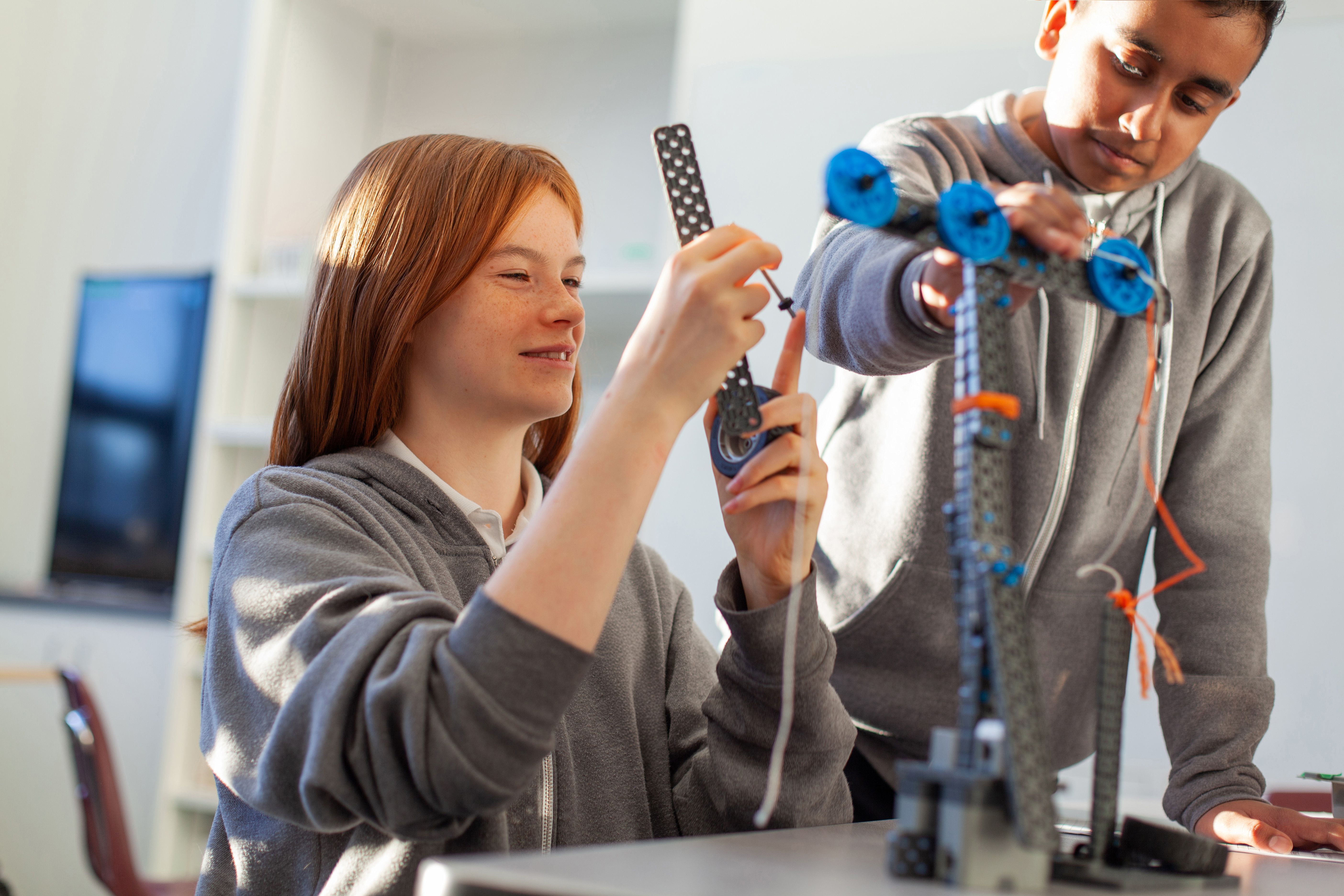
A makerspace is a collaborative workspace where students can explore, create, and learn through hands-on experiences. These spaces foster innovation and creativity, providing tools and resources for students to turn their ideas into reality. Whether it's building a robot or crafting a new invention, a makerspace encourages practical learning.
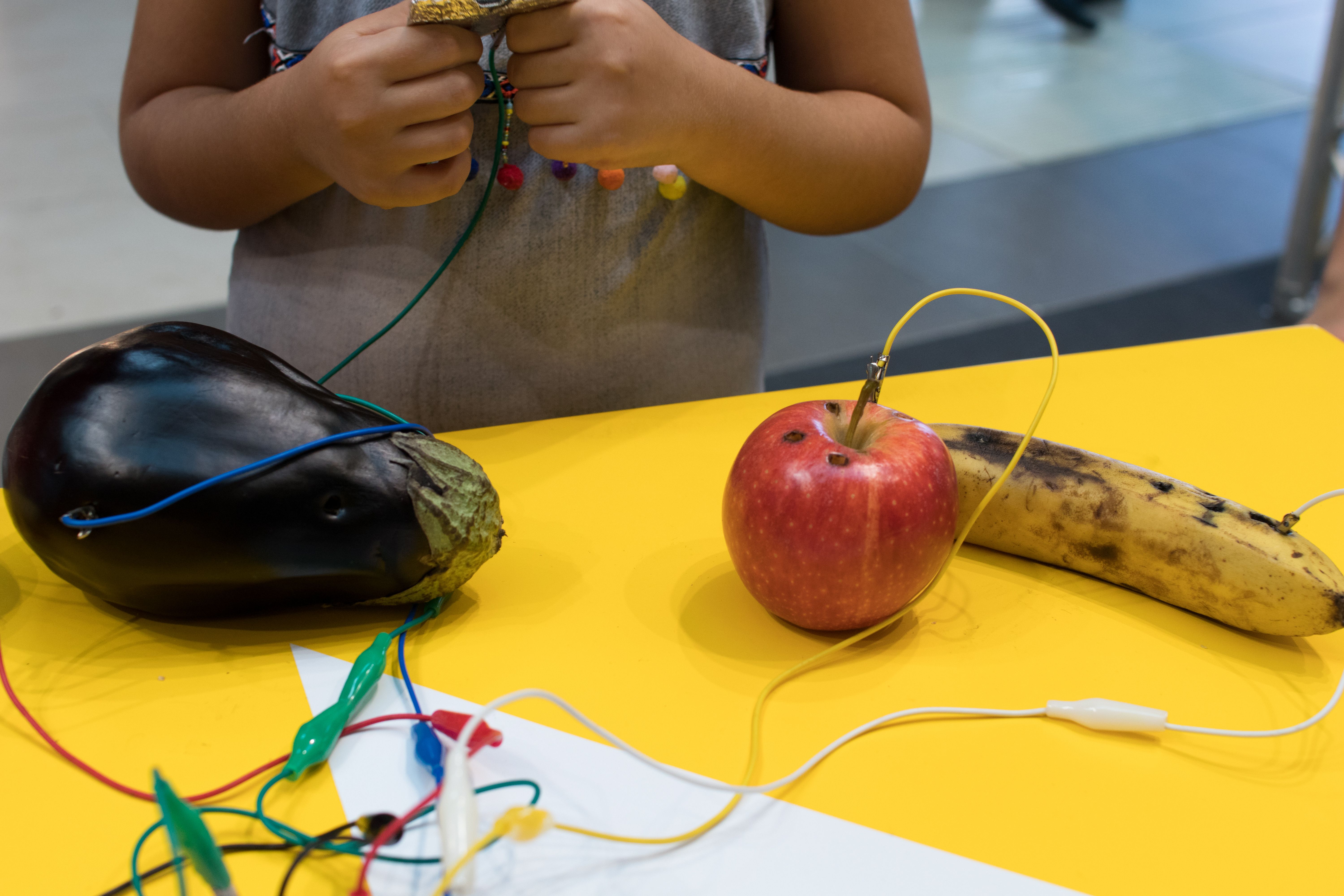
Integrating a makerspace into your school can provide students with the opportunity to develop critical thinking and problem-solving skills. By offering a variety of tools and materials, students have the freedom to experiment and learn in a dynamic environment.
Designing Your Makerspace
When designing a makerspace, it's essential to consider the needs and interests of your students. Start by assessing the available space and determining the best layout to encourage collaboration and creativity. Ensure that the space is flexible and can accommodate different activities and projects.
Consider including a variety of areas, such as:
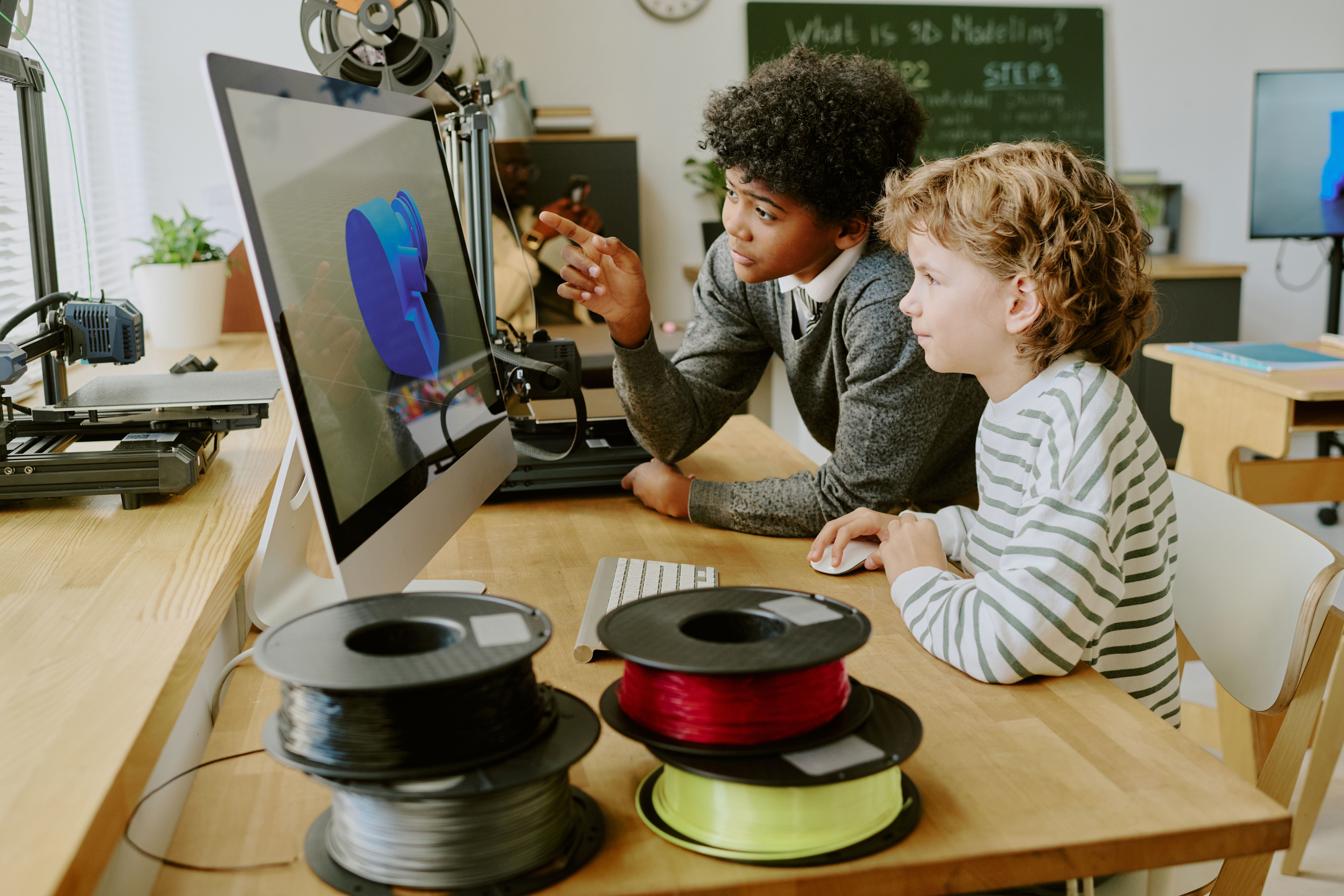
- A digital fabrication area with 3D printers and laser cutters
- An electronics zone with soldering irons and circuit kits
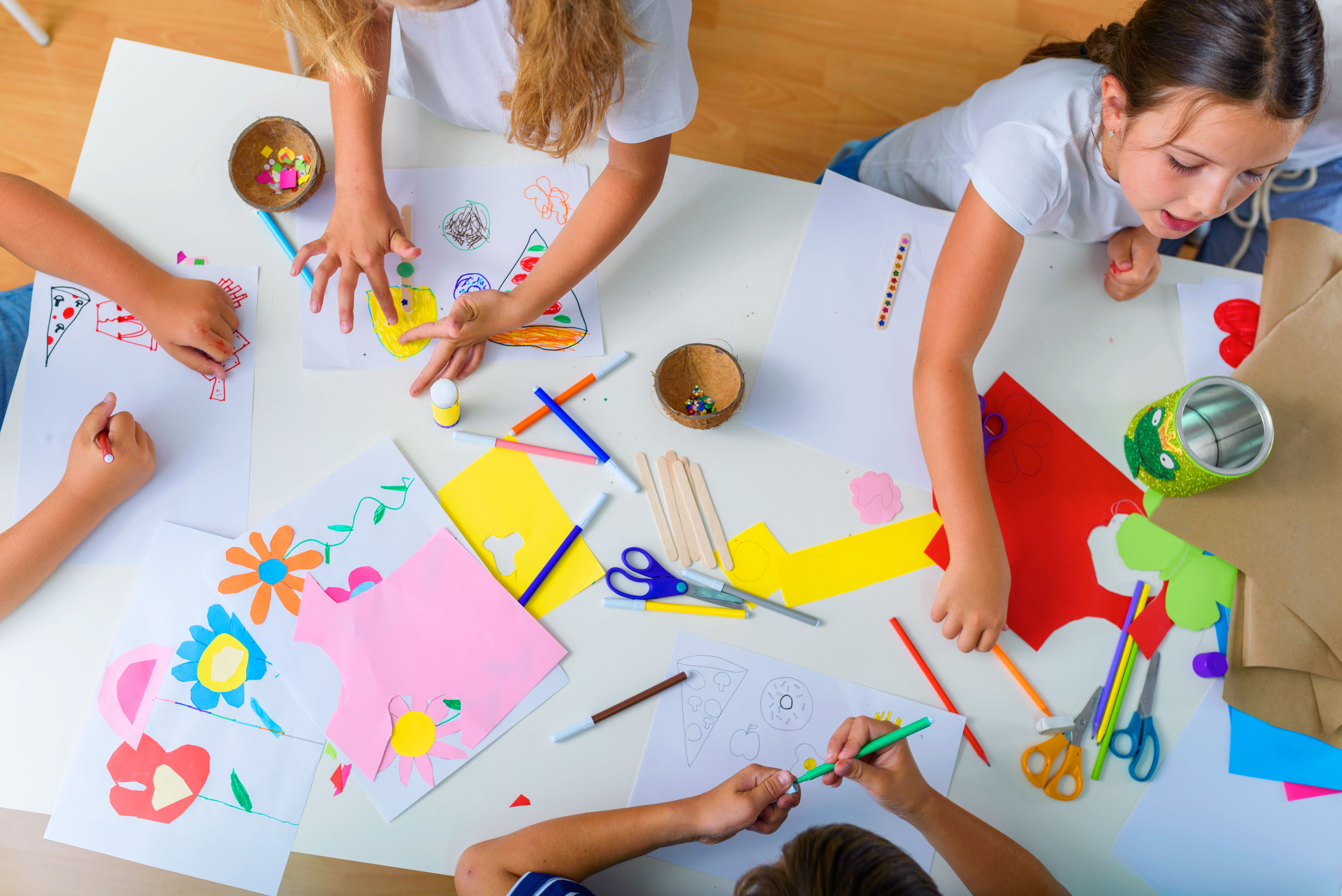
- A crafting space with sewing machines and art supplies
Stocking Your Makerspace
Equipping your makerspace with the right tools and materials is crucial for its success. Start with a basic inventory of essential items, then expand based on student interests and project needs. Consider including:
- Basic hand tools: hammers, screwdrivers, pliers
- Electronic components: resistors, wires, breadboards
- Crafting supplies: paper, glue, scissors
Regularly update and replenish your supplies to ensure that students have access to the resources they need. Engage with students to gather feedback on what additional tools or materials might enhance their learning experience.
Encouraging Student Engagement
To create an engaging makerspace, it's essential to foster a culture of curiosity and experimentation. Encourage students to take ownership of their projects and support them in exploring new ideas. Provide guidance but allow them the freedom to learn from their mistakes and successes.
Organize workshops, challenges, and showcases to inspire students and highlight their achievements. These events can also help build a sense of community and collaboration among participants.
Integrating Curriculum and Makerspace Activities
Aligning makerspace activities with the curriculum can enhance learning outcomes and provide students with a practical application of their studies. Collaborate with teachers to design projects that complement classroom lessons and encourage interdisciplinary learning.
By integrating makerspace activities into the curriculum, students can see the relevance of their classroom learning and apply it in meaningful ways. This approach can lead to increased engagement and a deeper understanding of the subject matter.
Evaluating and Improving Your Makerspace
Regular evaluation of your makerspace is essential for its continued success. Gather feedback from students and teachers to identify areas for improvement. Consider conducting surveys or holding meetings to discuss how the makerspace is being used and what changes could enhance its effectiveness.
Stay informed about the latest trends and technologies in education and makerspaces to ensure that your space remains innovative and relevant. Continuous improvement will help maintain student interest and engagement over time.