
Getting Started with Laser Engraving: Tips for Educators


Introduction to Laser Engraving
Laser engraving is a versatile and engaging tool for educators looking to enhance their curriculum. By incorporating this technology, teachers can offer students hands-on experiences that encourage creativity and innovation. Whether you're teaching art, science, or engineering, laser engraving can provide a practical application of theoretical concepts.
Understanding the Basics
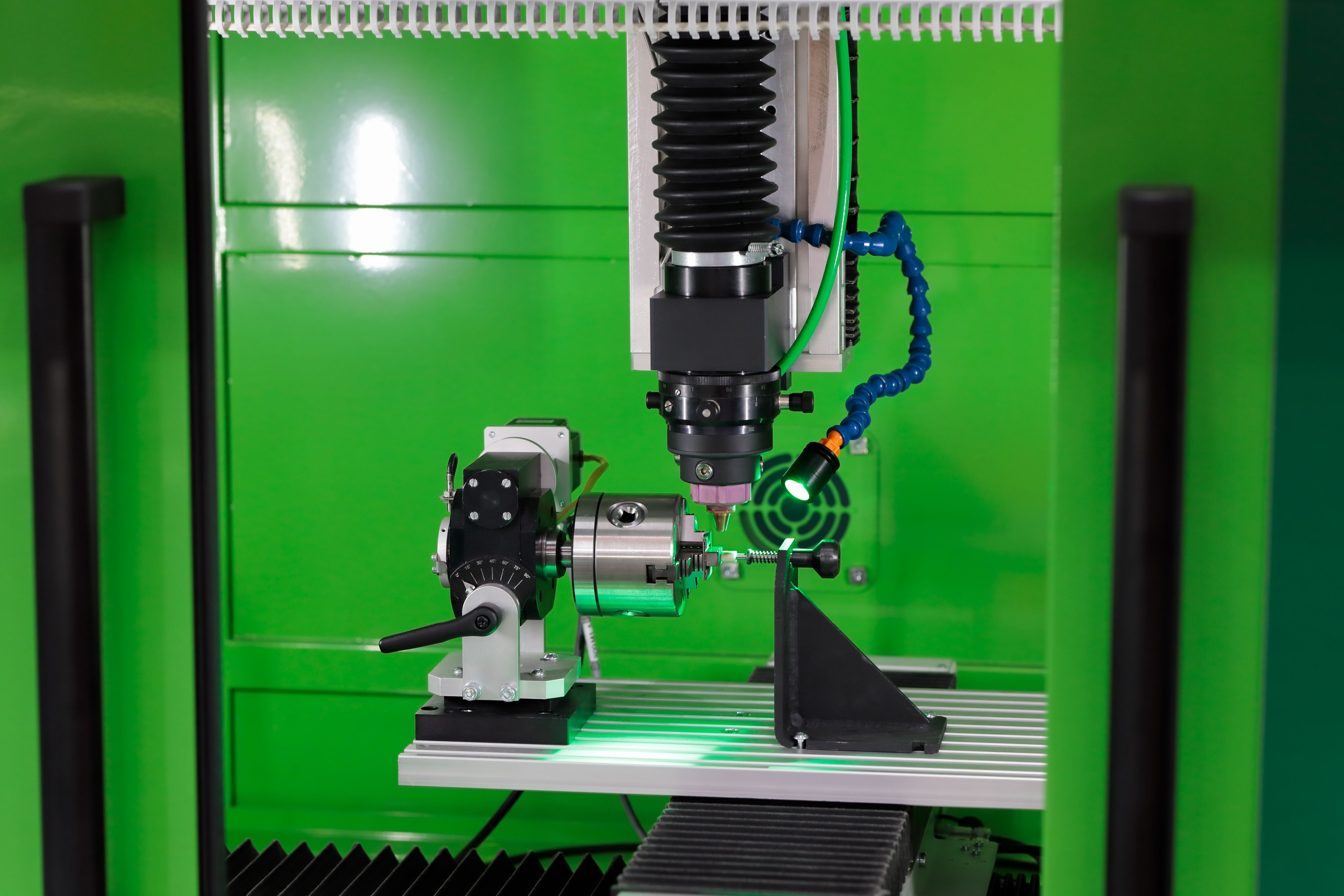
Before diving into laser engraving, it's essential to understand the equipment and software. Most laser engravers come with user-friendly software that allows you to create designs or import them from other programs. The machines use a focused laser beam to etch designs onto various materials such as wood, acrylic, and fabric.
Safety is a top priority. Ensure that students understand the importance of wearing protective eyewear and following all safety protocols. Proper ventilation is also crucial to avoid inhaling any fumes created during the engraving process.
Choosing the Right Equipment
Selecting the right laser engraver for your classroom depends on several factors, including budget, space, and educational goals. Entry-level machines are suitable for beginners and small projects, while more advanced models can handle larger and more complex tasks.
Integrating Laser Engraving into the Curriculum
Laser engraving can be integrated into various subjects, making it a valuable addition to any curriculum. For instance, art classes can use it for creating intricate designs, while science classes might explore the physics of lasers. Encourage students to collaborate and experiment with different materials and techniques.
Project Ideas
Consider starting with simple projects to build confidence and skills. Here are a few ideas:
- Design and engrave personalized keychains or nameplates.
- Create educational puzzles or models that align with current lessons.
- Engrave scientific diagrams or historical maps for study aids.

Resources and Support
There are numerous resources available to help educators get started with laser engraving. Online forums, tutorials, and workshops can provide valuable insights and tips. Additionally, many manufacturers offer customer support to assist with any technical issues.
Connecting with other educators who have experience in laser engraving can also be beneficial. Sharing experiences and ideas can lead to more innovative and effective teaching strategies.
Conclusion
Incorporating laser engraving into the classroom offers students a unique opportunity to engage with technology in a creative and meaningful way. By following these tips and utilizing available resources, educators can successfully integrate this tool into their teaching practice, enriching the learning experience for their students.