
Enhancing STEM Education with Robotics: A Guide for Educators


Why Robotics in STEM Education?
Incorporating robotics into STEM education offers a dynamic way to engage students in learning. Robotics provides a hands-on approach that enhances critical thinking, problem-solving, and creativity. As technology continues to evolve, integrating robotics in classrooms becomes essential for preparing students for future careers.
Robotics can make abstract STEM concepts tangible. Students can see the real-world application of theories and principles, making learning more meaningful and enjoyable. By working with robots, students can visualize and understand complex ideas more clearly.
Getting Started with Robotics
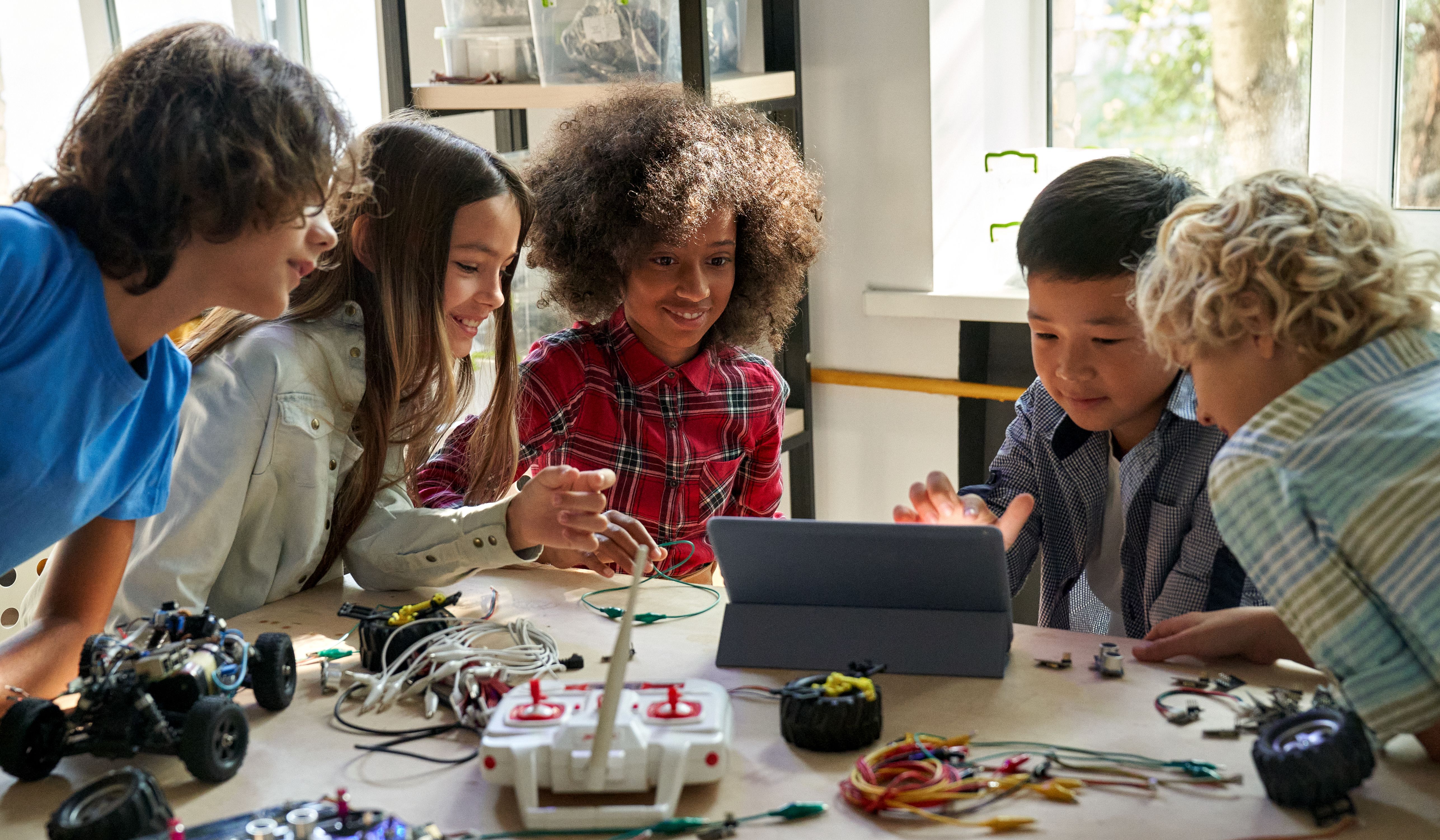
For educators new to robotics, starting small is key. Begin with simple projects that allow students to build basic robots and gradually introduce more complex challenges. There are numerous resources and kits available that cater to different age groups and skill levels.
It's essential to select the right tools and platforms. Consider factors like ease of use, cost, and the educational value of the robotics kits. Platforms like LEGO Mindstorms and Arduino are popular choices among educators for their versatility and comprehensive support materials.
Setting Learning Objectives
Before diving into robotics projects, it's crucial to set clear learning objectives. Determine what skills and knowledge you want your students to gain. Whether it's programming, engineering, or teamwork, having defined goals will guide your teaching approach and help measure student progress.
Integrating Robotics with Curriculum
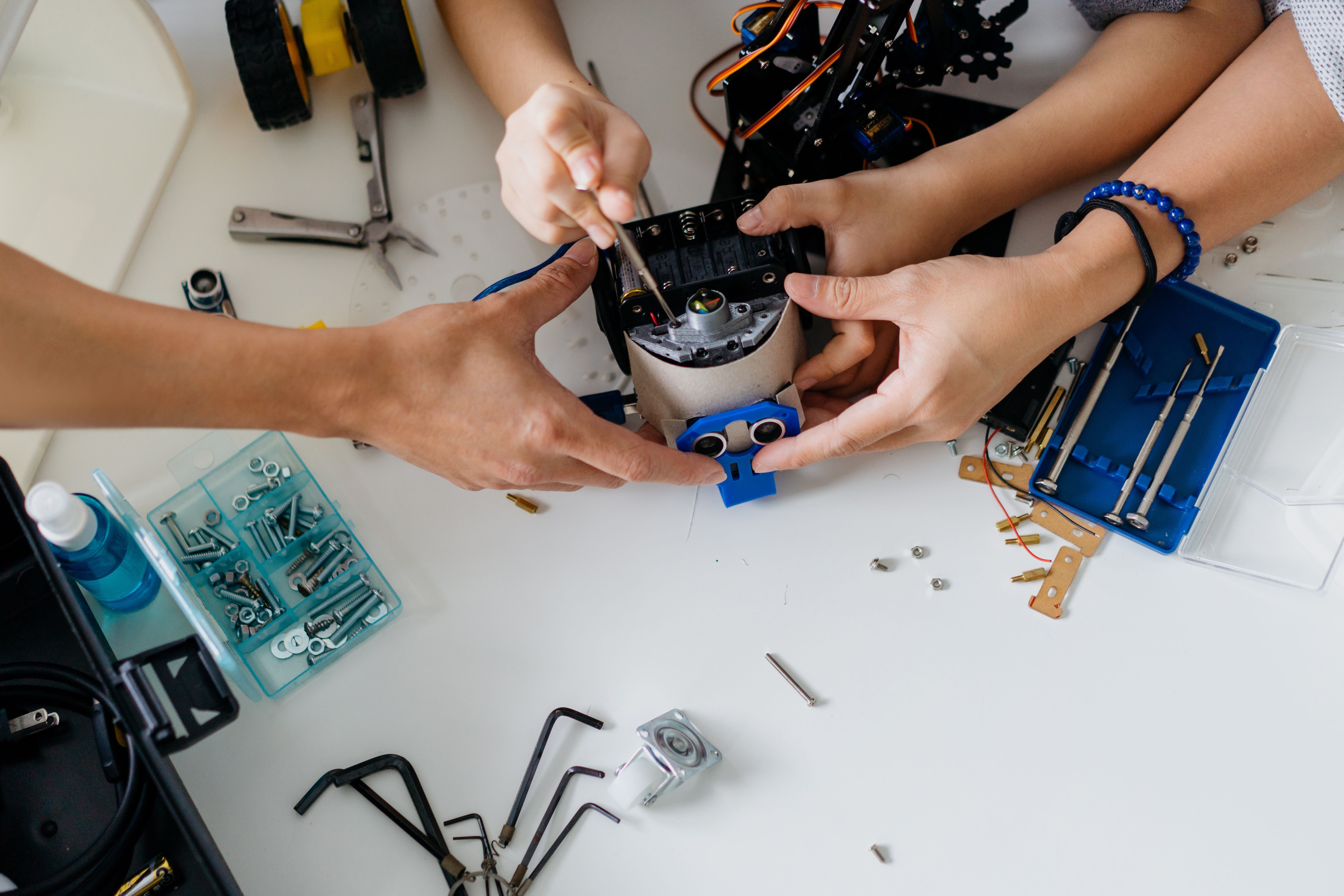
Robotics can be seamlessly integrated with existing STEM curricula. For instance, when teaching physics, students can explore concepts like force and motion by programming robots to navigate obstacles. In math, students can apply geometric principles to design and build structures.
Collaboration is key in robotics education. Encourage students to work in groups to foster teamwork and communication skills. Through collaborative projects, students learn to share ideas, solve problems collectively, and celebrate shared successes.
Overcoming Challenges
Implementing robotics in education may come with challenges such as limited resources or lack of expertise. To overcome these, educators can seek professional development opportunities and collaborate with peers to share knowledge and resources.

Evaluating Student Progress
Assessment in robotics education should focus on both the process and the outcome. Evaluate students on their ability to work together, think critically, and apply learned concepts. Practical demonstrations and project presentations are excellent ways to assess their understanding and skills.
Feedback is vital. Provide constructive criticism and praise to encourage continuous learning and improvement. This approach helps students build confidence and motivation to tackle more complex projects.
Future of Robotics in Education
The future of robotics in education looks promising. As technology advances, robotics will play an increasingly significant role in shaping innovative and interactive learning experiences. Educators who embrace robotics are preparing students for a world where technology is integral to every industry.
By continuously updating and adapting teaching methods to include robotics, educators can ensure that students are not only consumers of technology but also creators and innovators.