Empowering Educators: A Comprehensive Guide to Teacher Training on Educational Technology


Introduction to Educational Technology
In today's rapidly evolving educational landscape, leveraging technology has become essential for effective teaching. Educators are now tasked with integrating digital tools to enhance learning experiences. This guide aims to empower teachers through comprehensive training on educational technology.
Understanding the potential of technology in the classroom is the first step towards successful integration. From interactive whiteboards to online collaboration platforms, the possibilities are endless. However, without proper training, these tools can remain underutilized.

The Importance of Teacher Training
Training educators to use educational technology effectively is crucial. It not only enhances teaching methods but also improves student engagement and learning outcomes. Teachers equipped with the right skills can transform the classroom into a dynamic learning environment.
Investing in professional development ensures that educators are confident and competent in using digital tools. This training should be ongoing, as technology continues to evolve and introduce new opportunities for learning.

Key Components of Effective Training
Successful teacher training programs share common components that ensure effectiveness. These include:
- Hands-on Experience: Practical sessions where teachers can experiment with tools.
- Peer Collaboration: Opportunities to share insights and strategies with colleagues.
- Ongoing Support: Access to resources and mentorship post-training.
Integrating Technology in the Classroom
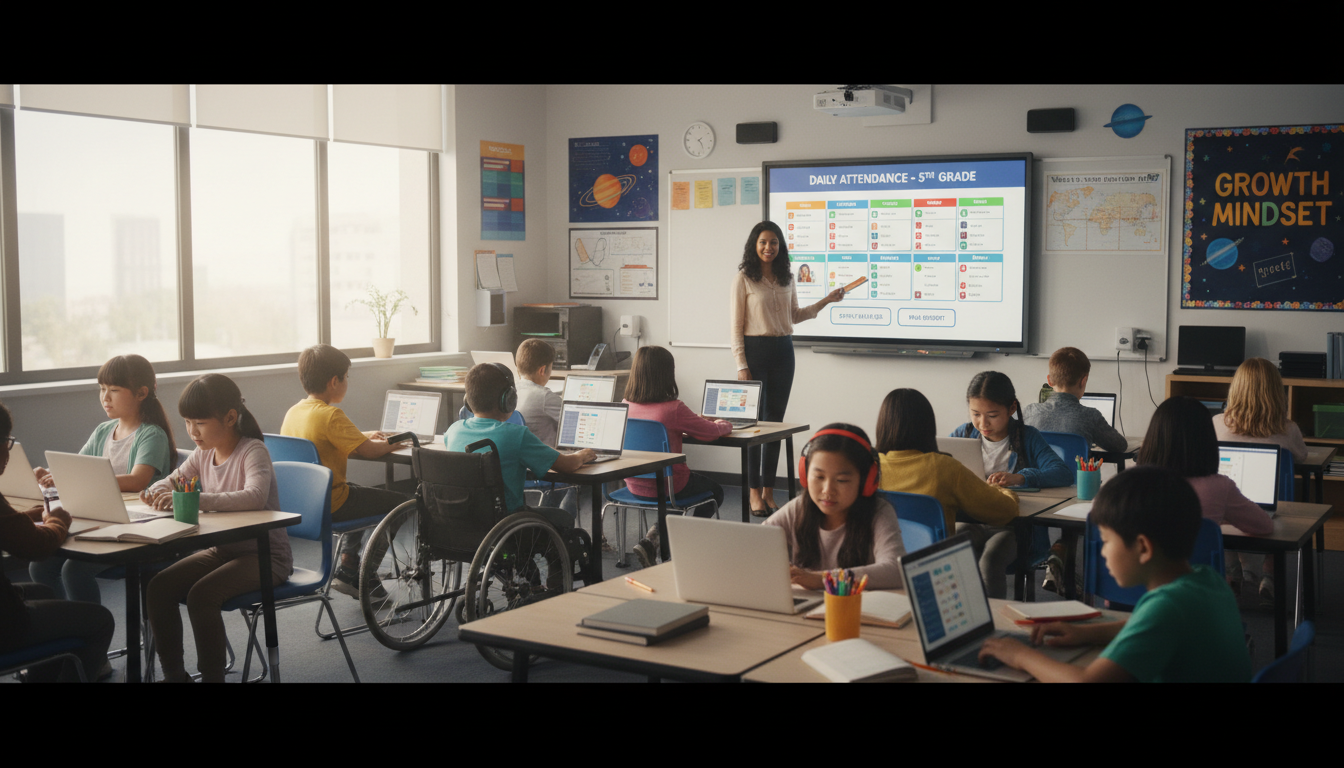
Once trained, educators can begin integrating technology into their teaching practices. This can be done in several ways:
- Using interactive apps and software to engage students.
- Implementing online assessments for instant feedback.
- Creating multimedia presentations to enhance understanding.
Challenges and Solutions
Despite the benefits, integrating technology is not without challenges. Common issues include limited resources, resistance to change, and technical difficulties. Addressing these challenges requires a strategic approach:
- Resource Allocation: Ensuring schools have the necessary funding and equipment.
- Change Management: Encouraging a growth mindset among educators.
- Technical Support: Providing reliable IT support for troubleshooting.
Conclusion
Empowering educators through comprehensive training on educational technology is vital for the future of education. By equipping teachers with the skills they need, we can create enriched learning environments that benefit all students. As educational technology continues to evolve, ongoing training and support will remain essential to harness its full potential.