3D Scanning in Education: Enhancing Learning Experiences with Technology


Introduction to 3D Scanning in Education
In recent years, 3D scanning technology has made significant strides in various fields, including education. By capturing precise digital replicas of physical objects, 3D scanning offers unique opportunities to enhance learning experiences. From interactive lessons in the classroom to advanced research applications, this technology is reshaping how students and educators interact with educational content.
Benefits of 3D Scanning in the Classroom
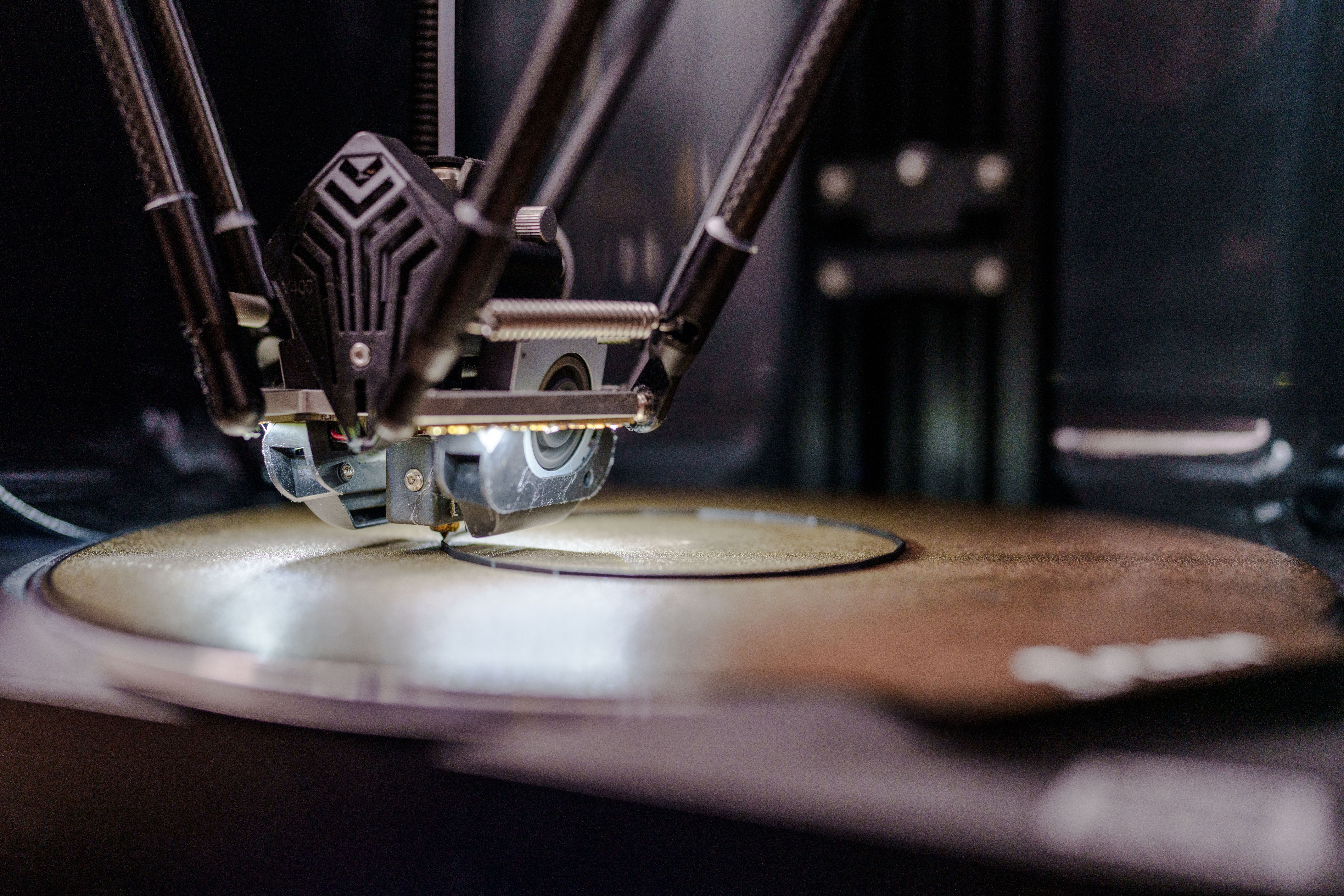
By integrating 3D scanning into the classroom, educators can provide students with a more engaging and hands-on learning experience. This technology allows for the creation of interactive models that students can manipulate and explore, fostering a deeper understanding of complex subjects.
Additionally, 3D scanning supports diverse learning styles. Visual learners, for example, can benefit from detailed models, while tactile learners can interact with 3D-printed replicas. This approach not only makes learning more accessible but also sparks curiosity and creativity among students.
Supporting STEM Education
3D scanning is particularly beneficial in STEM education (Science, Technology, Engineering, and Mathematics). It enables students to visualize and analyze scientific phenomena, engineering designs, and mathematical concepts in ways that traditional methods cannot match.
- Biology students can examine detailed anatomical models.
- Engineering students can test prototypes and designs.
- Mathematics students can explore geometric shapes and structures.

3D Scanning for Arts and Humanities
Beyond STEM, 3D scanning also finds applications in the arts and humanities. Art students can create digital archives of sculptures and artifacts, preserving them for future study. History students can explore accurate replicas of historical artifacts, bringing history to life in a tangible way.
This technology enables students to engage with cultural heritage on a deeper level, encouraging a more comprehensive understanding of historical contexts and artistic expressions.
Research and Innovation
In higher education, 3D scanning enhances research capabilities. Researchers can create precise models for analysis, leading to new insights and innovations. This technology is invaluable in fields such as archaeology, where it helps preserve fragile artifacts and sites.

Challenges and Considerations
While 3D scanning offers numerous benefits, its implementation in education comes with challenges. The cost of equipment and software can be a barrier for some institutions. Additionally, educators need training to effectively integrate this technology into their curricula.
Careful planning and investment are essential to overcome these hurdles and ensure that 3D scanning reaches its full potential in educational settings.
Conclusion
3D scanning is a transformative tool in education, providing innovative ways to enhance learning across various disciplines. By embracing this technology, educators can offer more engaging, interactive, and personalized learning experiences, preparing students for the technological advancements of the future.