3D Printing in Education: Enhancing Creativity and Learning


Introduction to 3D Printing in Education
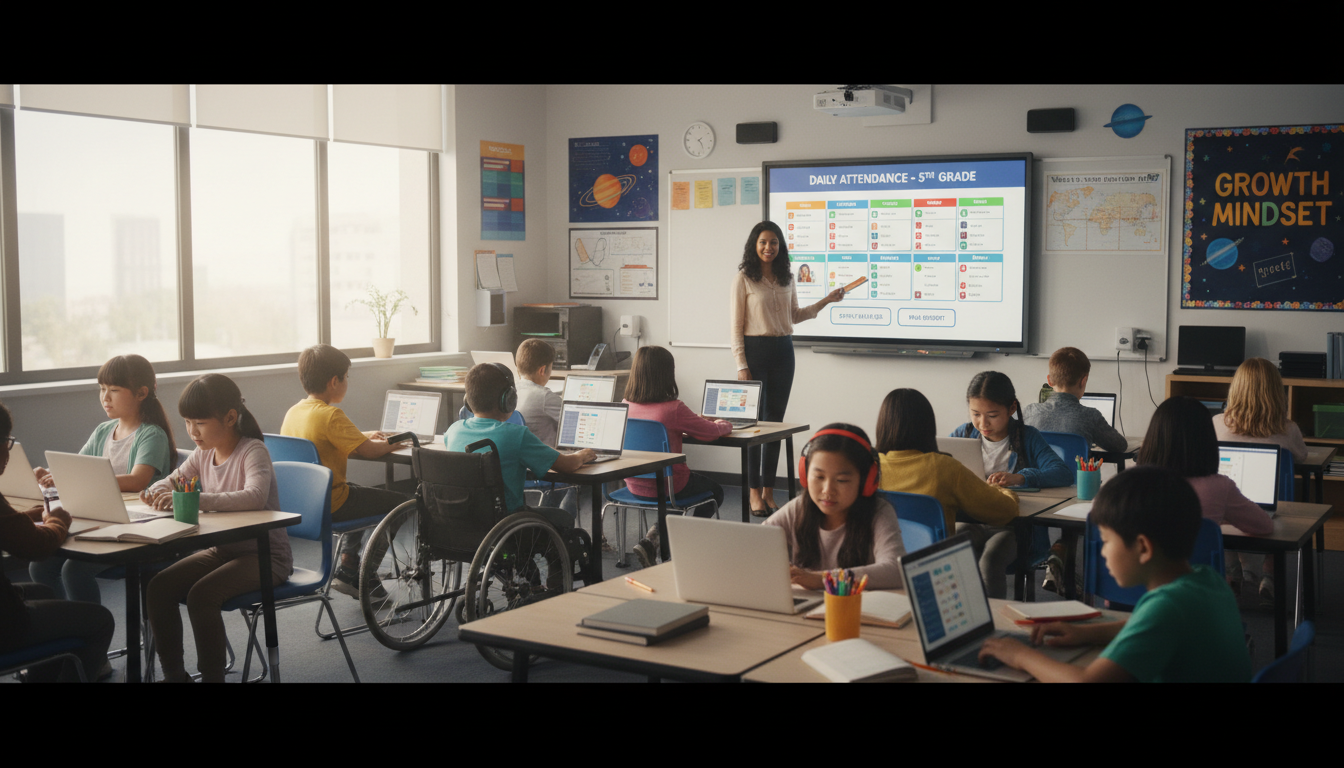
3D printing, also known as additive manufacturing, has become a transformative technology in various industries. In education, it opens up new avenues for enhancing creativity and learning. By providing students with hands-on experience, 3D printing fosters innovation and problem-solving skills.
Educational institutions across the globe are integrating 3D printing into their curricula, recognizing its potential to revolutionize teaching methods. The technology allows students to bring their ideas to life, providing a tangible connection between theoretical knowledge and real-world application.
Encouraging Creativity through 3D Printing
Stimulating Imagination
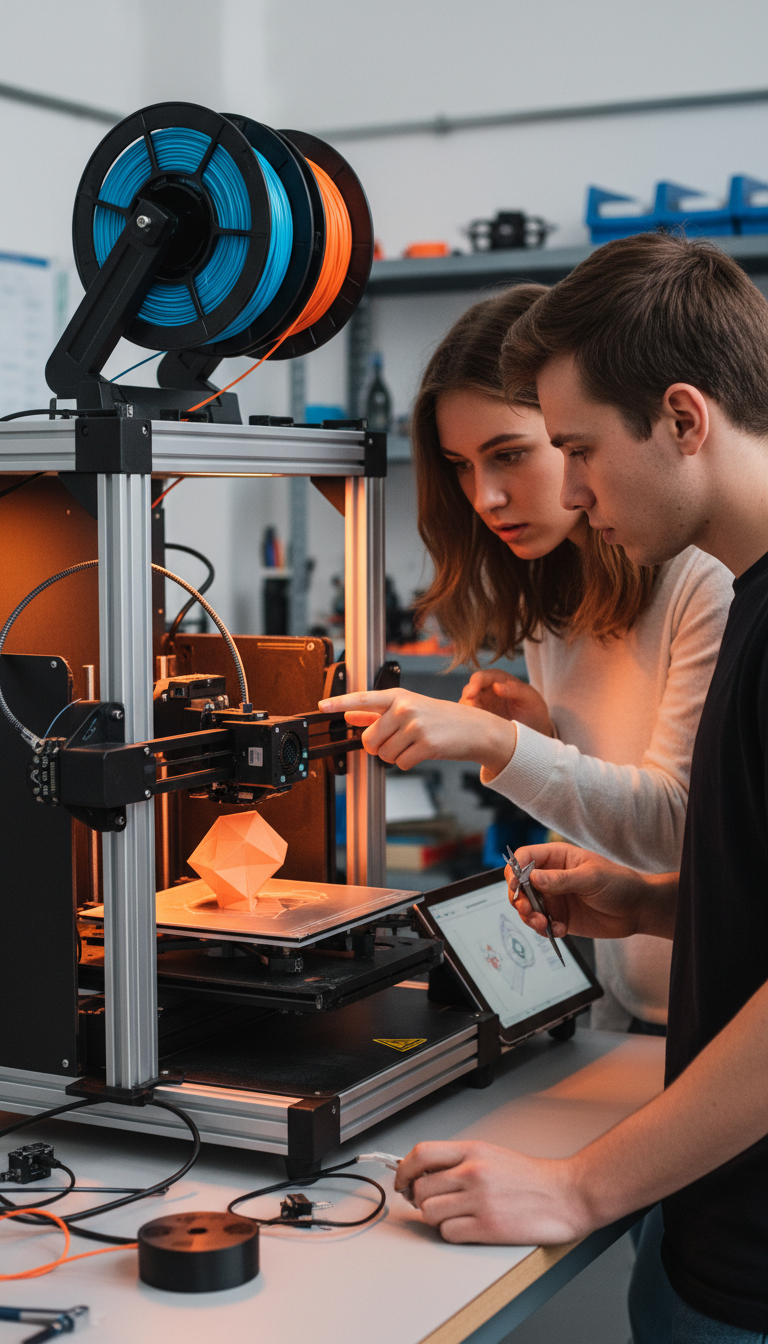
3D printing encourages students to think creatively by allowing them to design and create their own models. This hands-on approach stimulates imagination, enabling learners to explore concepts beyond textbooks. Students can visualize and manipulate complex structures, facilitating a deeper understanding of abstract ideas.
Project-Based Learning
Integrating 3D printing into project-based learning enhances student engagement. By working on projects that require designing and printing models, students develop critical thinking and collaboration skills. They learn to iterate on designs, improving problem-solving capabilities and resilience.
Enhancing Learning Across Disciplines
STEM Education
In STEM (Science, Technology, Engineering, and Mathematics) education, 3D printing serves as a powerful tool to demonstrate scientific principles and engineering concepts. Students can create prototypes, conduct experiments, and visualize data in ways that traditional teaching methods may not allow.
Art and Design
For art and design students, 3D printing provides a new medium to express creativity. It allows them to experiment with shapes, textures, and forms, enhancing their artistic skills. By bridging the gap between digital and physical creation, students can explore innovative design possibilities.

Practical Applications and Real-World Skills
By incorporating 3D printing into the curriculum, educators equip students with practical skills relevant to various industries. As the demand for technology-savvy professionals grows, experience with 3D printing becomes a valuable asset. Students gain insights into manufacturing processes, design thinking, and technological advancements.
Moreover, 3D printing fosters an entrepreneurial spirit. Students can develop products and prototypes, encouraging innovation and business-minded thinking. This experience prepares them for future careers, making them competitive in a rapidly evolving job market.
Conclusion
3D printing in education is not just a trend; it's a catalyst for change. By enhancing creativity and learning, it prepares students for the challenges of the future. As educational institutions continue to embrace this technology, the possibilities for student growth and development are limitless.
Incorporating 3D printing into classrooms revolutionizes how students learn, engage, and create, ensuring they are well-equipped to thrive in a technology-driven world.