3D Printing and Its Role in Modern Manufacturing Education


Introduction to 3D Printing in Education
3D printing, a revolutionary technology, is transforming the landscape of modern manufacturing education. By integrating 3D printing into educational curricula, institutions are preparing students for a future where technology and creativity intersect. This hands-on approach to learning is fostering a new generation of innovators who can design, prototype, and bring their ideas to life.
In educational settings, 3D printing provides students with a tangible way to understand complex concepts. This is particularly beneficial in fields such as engineering, design, and architecture, where visualizing and creating physical models can enhance comprehension and engagement.
The Benefits of 3D Printing in the Classroom
One of the primary benefits of 3D printing in education is its ability to enhance problem-solving skills. Students are encouraged to think critically about design and functionality, which can translate into improved analytical skills across various disciplines.
Moreover, 3D printing promotes collaboration among students. Projects often require teamwork, fostering communication skills and the ability to work effectively in groups. This collaborative environment mimics real-world working conditions, better preparing students for their future careers.
Hands-On Learning Experience
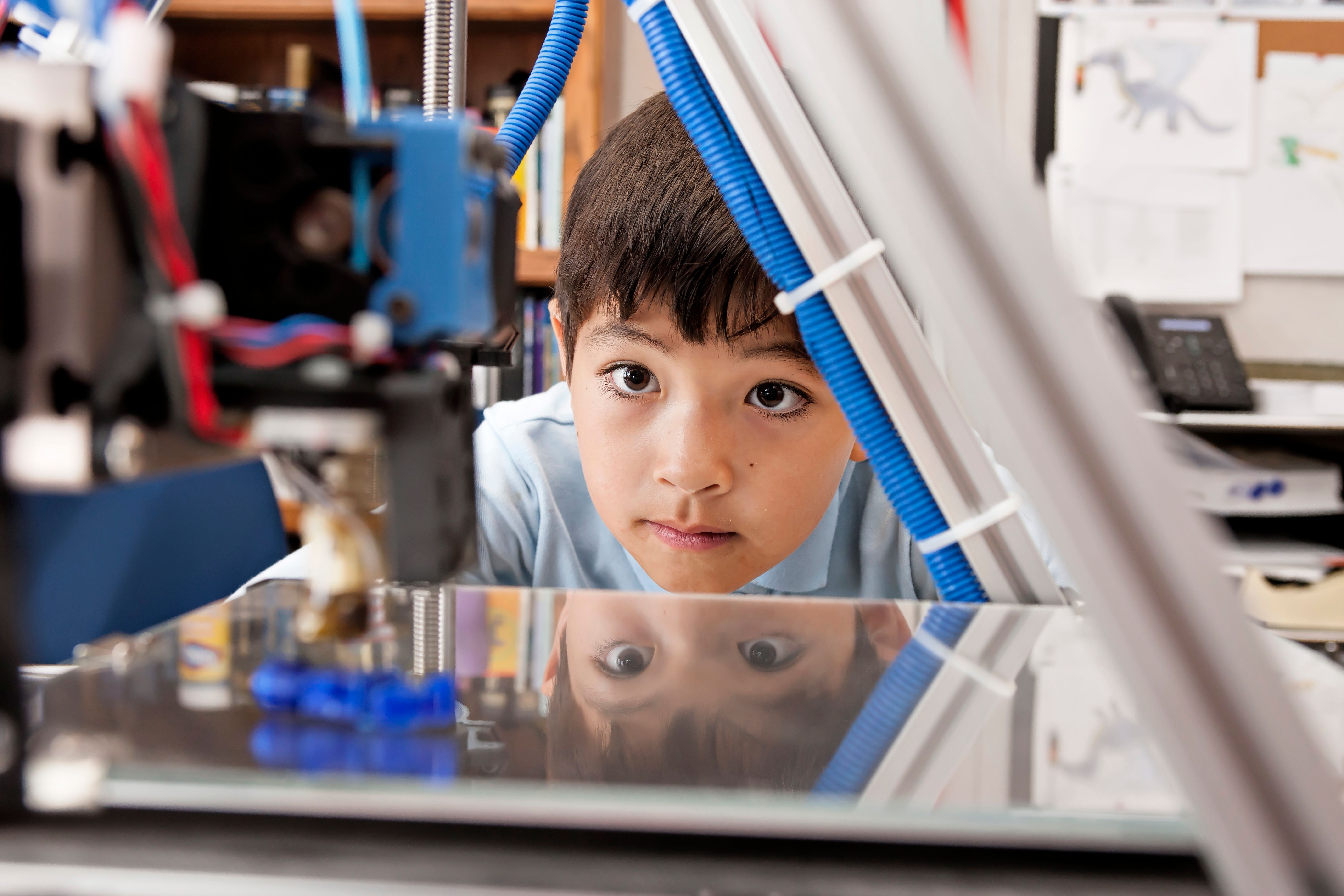
3D printing offers a hands-on learning experience that is both engaging and educational. Students can witness their designs come to life, providing a sense of accomplishment and motivation. This process encourages an iterative approach to learning, where students refine their designs based on trial and error.

3D Printing in Manufacturing Education
In the realm of manufacturing education, 3D printing serves as a bridge between theoretical knowledge and practical application. By understanding the mechanics of 3D printing, students gain insight into modern manufacturing processes, including rapid prototyping and custom production.
Educational programs that incorporate 3D printing often focus on the entire production cycle. Students learn about design software, material selection, and the printing process itself, providing a comprehensive understanding of how products are developed in the modern world.
Preparing for Future Careers
As industries increasingly adopt 3D printing technologies, the demand for skilled professionals continues to grow. By integrating 3D printing into their curricula, educational institutions are equipping students with the skills needed to thrive in a rapidly evolving job market.

The Future of 3D Printing in Education
The future of 3D printing in education is promising, with continued advancements expected to further enhance its applications. As 3D printing technology becomes more accessible and affordable, its presence in classrooms is likely to expand, creating new opportunities for interactive and personalized learning experiences.
Ultimately, 3D printing is not just a tool for manufacturing but a catalyst for innovation in education. By embracing this technology, educators are empowering students to become the thinkers and creators of tomorrow.